This is the third and final part of a three-part photo record from my visits to the venues of KYOTOGRAPHIE 2026.
On the final day, I first visited Lebohang Kganye’s “Rehearsal of Memory” at Higashi Honganji O-genkan. After that, since I had seen most of the KYOTOGRAPHIE venues I wanted to visit, I decided to spend the rest of the day walking around Kyoto with a focus on temples. I headed to Sanjusangen-do and Tofukuji, both of which I had visited before. At Sanjusangen-do, I wanted to see once again, with my own eyes, the overwhelming space filled with a thousand Buddhist statues. At Tofukuji, I wanted to revisit the Hojo Garden by Mirei Shigemori.
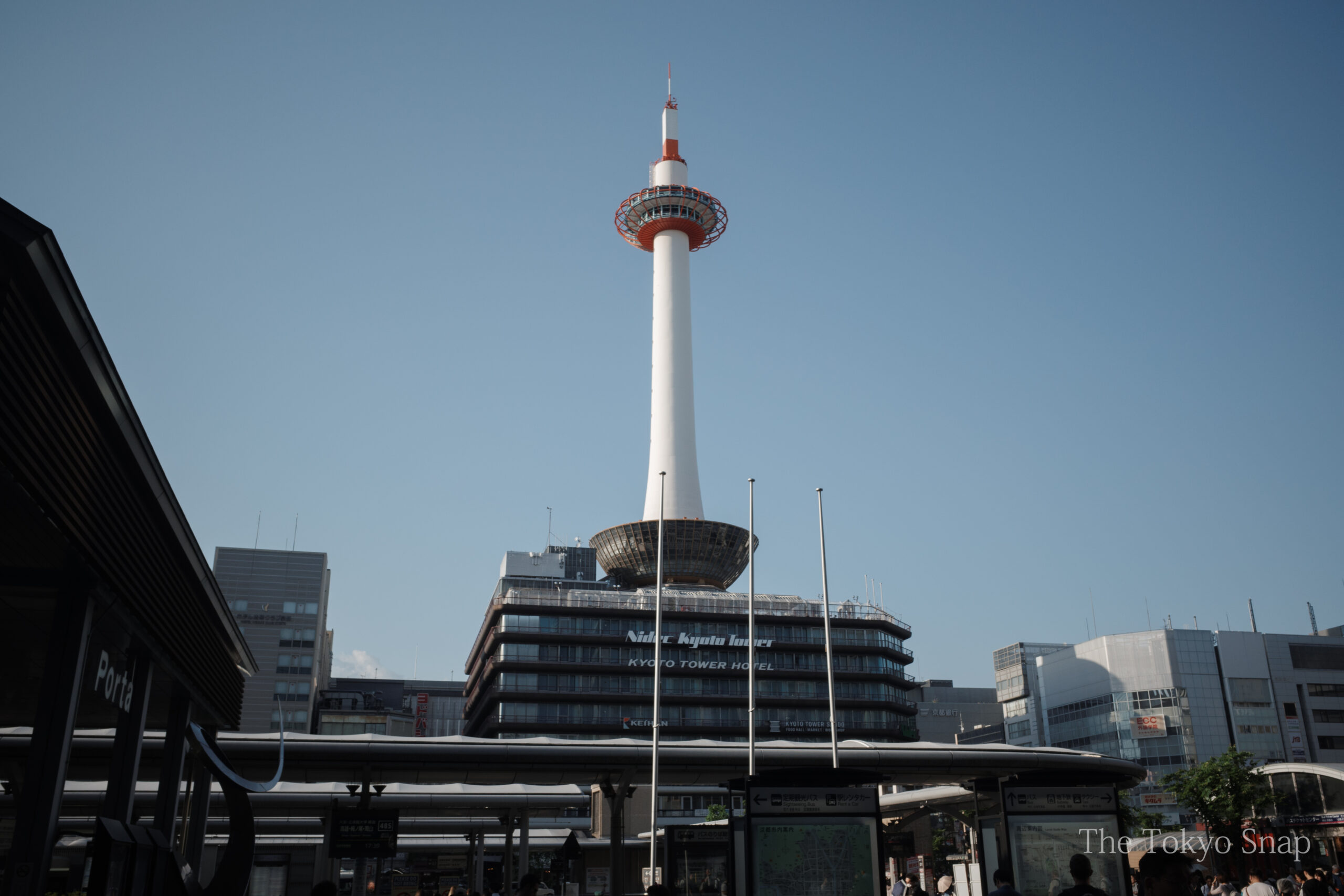
After that, I saw the special exhibition “Kitano Tenjin” at the Kyoto National Museum, which happened to be on view at the time. Some parts of the day could not be photographed, but I was able to keep them clearly as my own experience. Finally, before heading home, I photographed Kyoto Station again, the station building designed by Hiroshi Hara.
The final day moved from a KYOTOGRAPHIE exhibition venue to temples, a museum, and Kyoto Station. Rather than focusing only on exhibitions, it became a record of walking through Kyoto while looking again at places I had visited before, each with its own scale, history, and atmosphere.
The photos are arranged in the order in which I visited the venues over the three days. Day 3 records the time I spent at Higashi Honganji O-genkan, Sanjusangen-do, Tofukuji, the Kyoto National Museum, and Kyoto Station.
KYOTOGRAPHIE 2026の会場を巡りながら撮影した、全3回の記録の最終日である。
最終日である3日目は、まず東本願寺 大玄関で、レボハン・ハンイェの「記憶のリハーサル」を鑑賞した。その後は、KYOTOGRAPHIEの会場をある程度見終えたこともあり、寺院を中心に京都の街を巡ることにした。以前にも訪れたことのある三十三間堂と東福寺へ向かい、三十三間堂では、千体の仏像が並ぶ圧倒的な空間をもう一度この目で確かめたかった。東福寺では、重森三玲による本坊庭園を再訪したかった。
その後、京都国立博物館でちょうど開催されていた特別展「北野天神」を見た。撮影できない場所もあったが、その分、しっかりと自分の体験として記憶した。最後に帰宅前の京都駅で、原広司設計の駅ビルをあらためて撮影した。
最終日は、KYOTOGRAPHIEの展示会場から、寺院、博物館、京都駅へと移動する一日になった。展示だけを追うのではなく、以前にも訪れたことのある場所をあらためて歩き、それぞれのスケール、歴史、空気感を見直す記録になった。
写真は、3日間にわたって会場を巡った順序に沿って掲載する。Day 3では、東本願寺 大玄関、三十三間堂、東福寺、京都国立博物館、京都駅を巡った時間を記録する。(→noteで詳細を読む)
Higashi Honganji O-genkan
LEBOHANG KGANYE
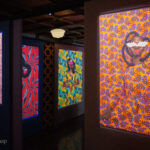
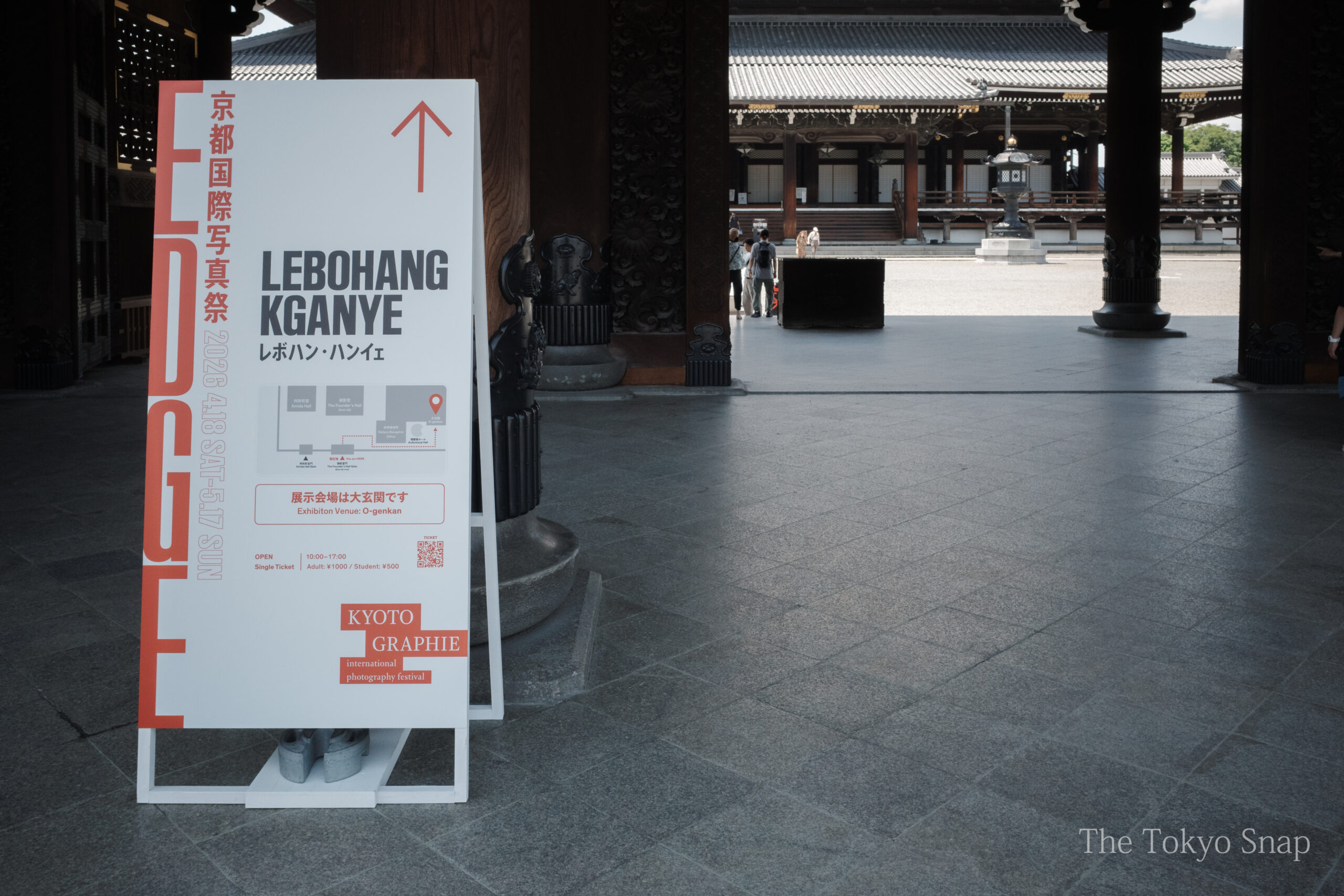
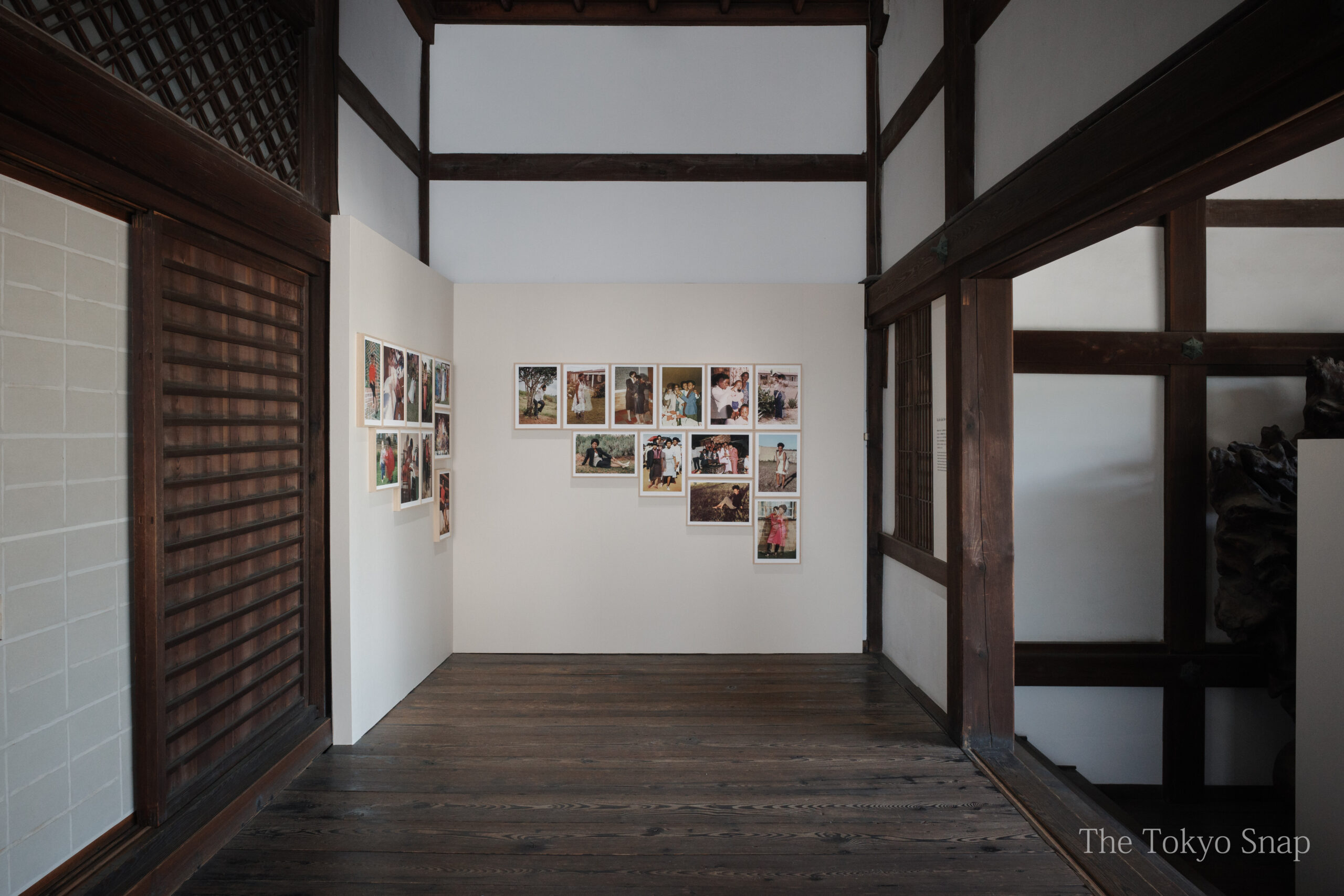
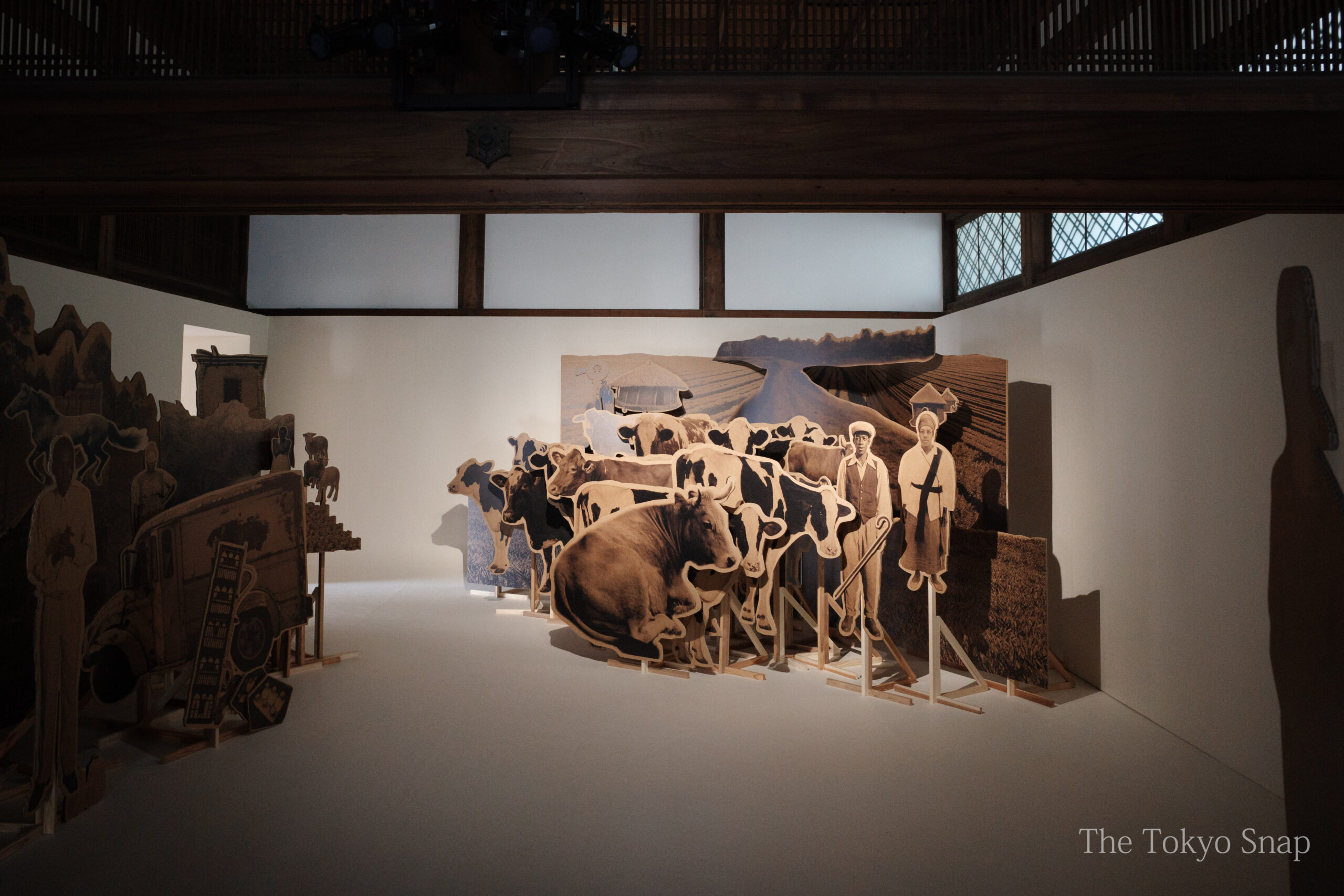
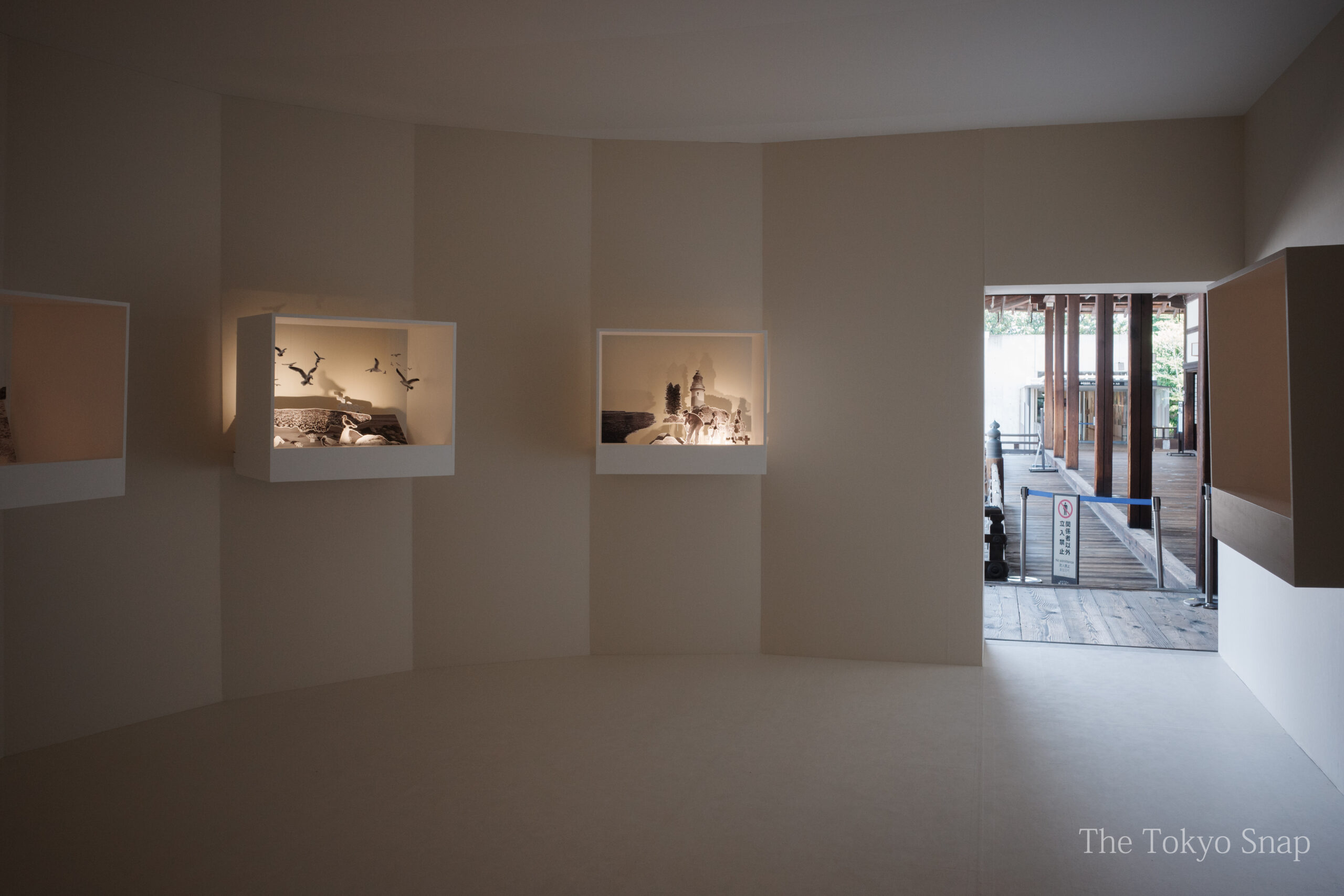
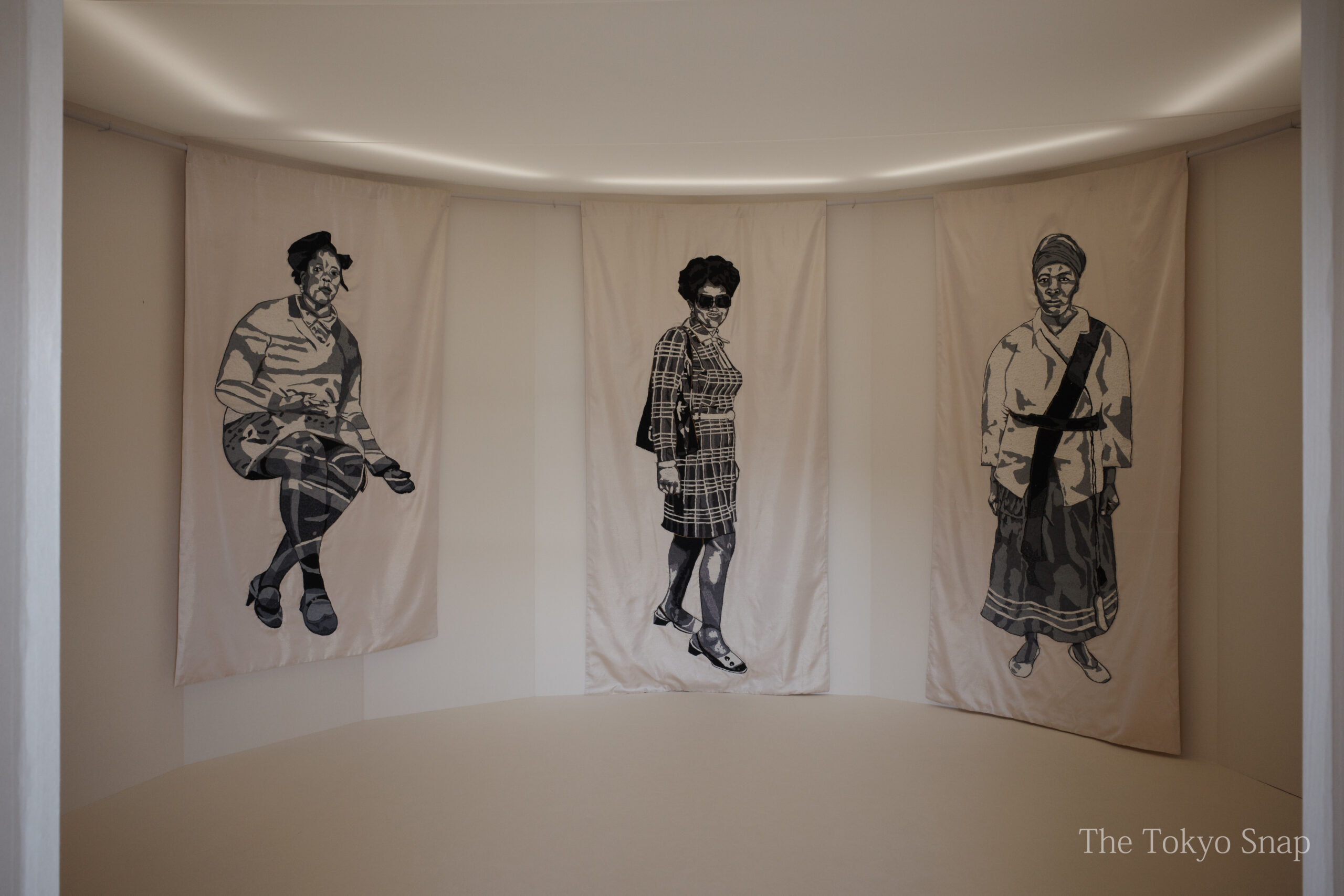
At Higashi Honganji O-genkan, Lebohang Kganye’s “Rehearsal of Memory” was on view. Works dealing with family history, memory, inheritance, and identity unfolded through photographs, silhouettes, light boxes, fabric, and spatial composition.
Seen inside the large entrance space of Higashi Honganji, the personal memories in the work seemed to overlap with the quiet scale of temple architecture. (GR IV Image Control: Negative Film)
東本願寺 大玄関では、レボハン・ハンイェの「記憶のリハーサル」が展示されていた。家族史、記憶、継承、アイデンティティをめぐる作品が、写真、シルエット、ライトボックス、布、空間的な構成を通して展開されている。
東本願寺の大きな玄関空間の中で見ることで、個人的な記憶を扱う作品と、寺院建築の静かなスケールが重なって見えた。(GR IV イメージコントロール:ネガフィルム調)
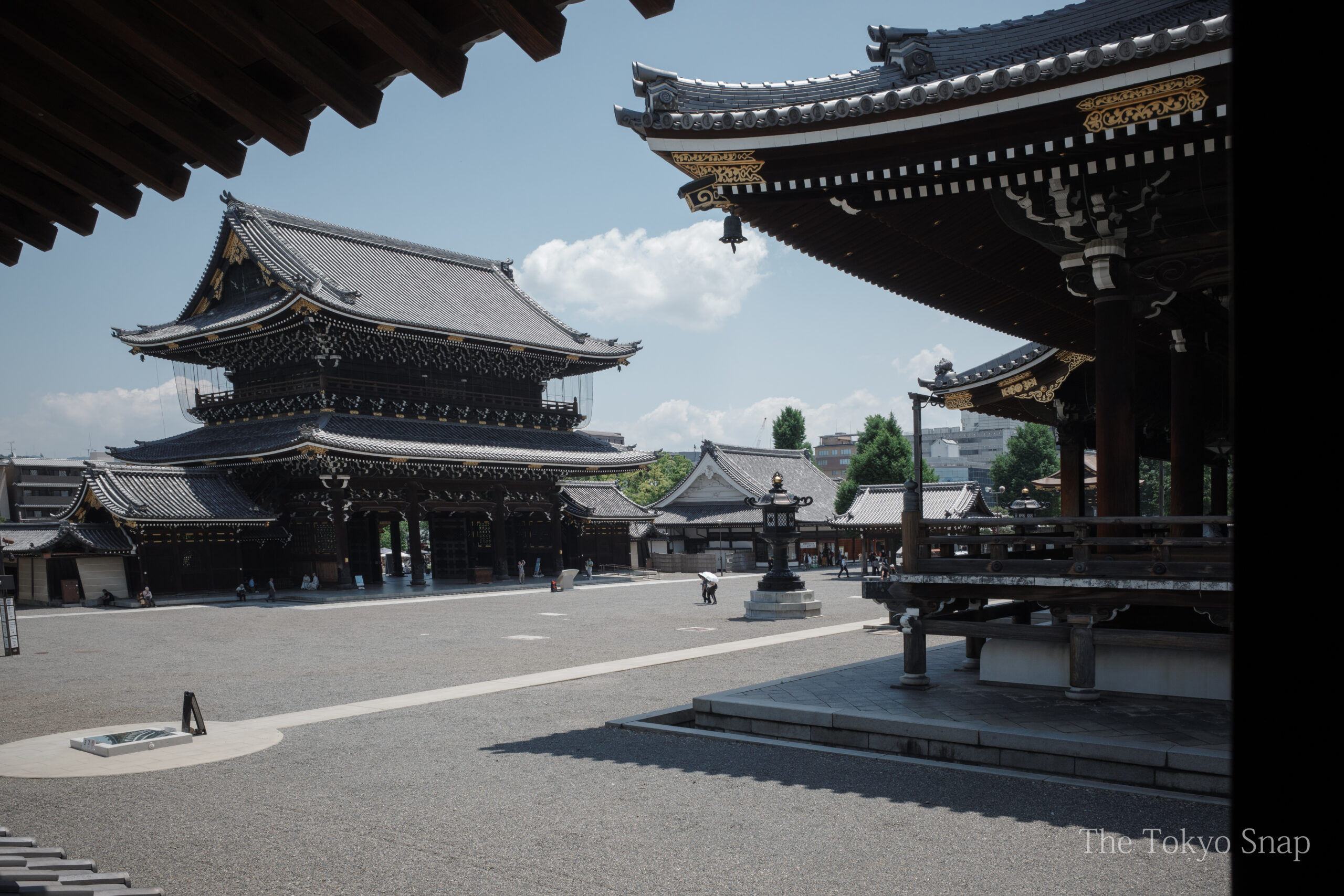
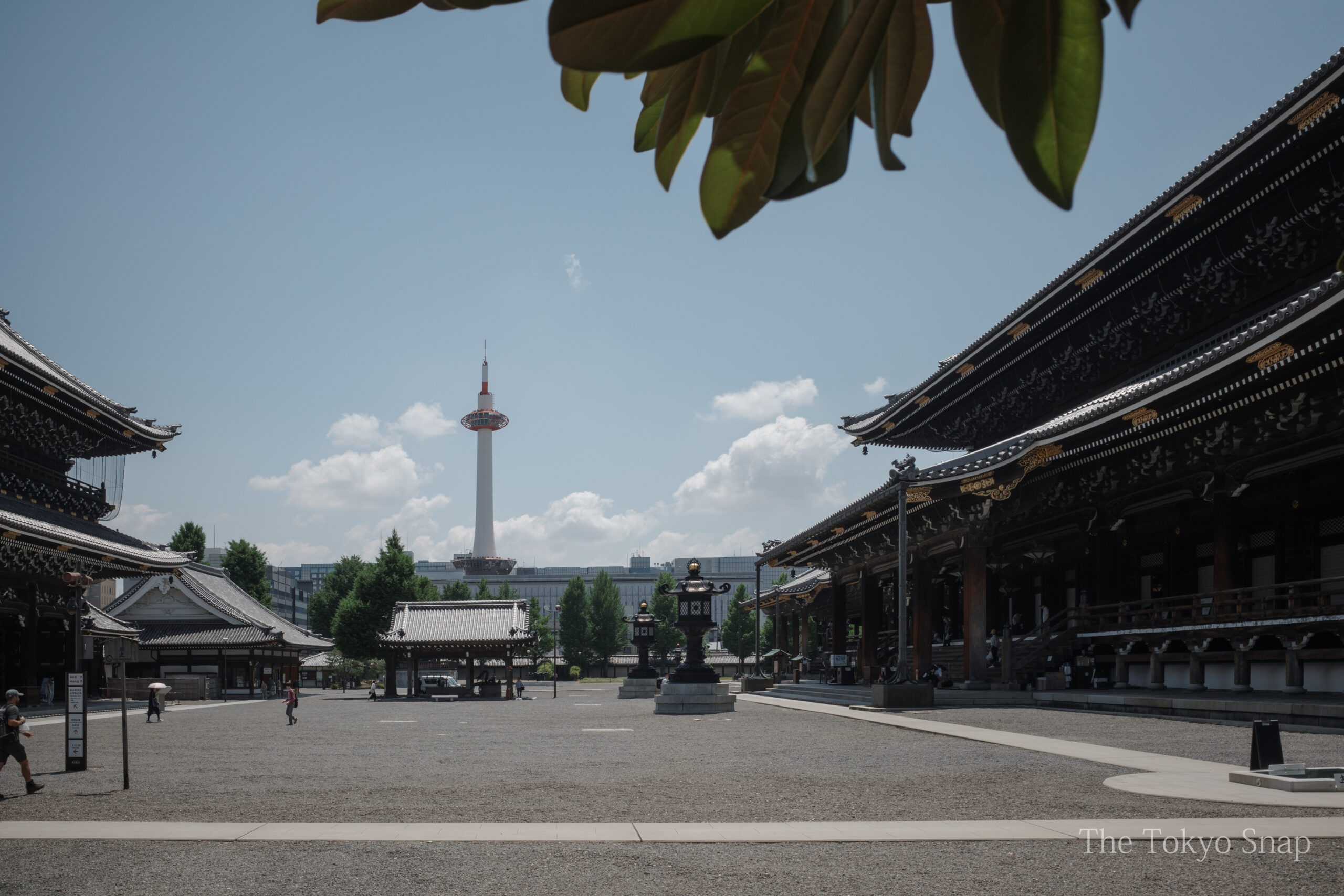
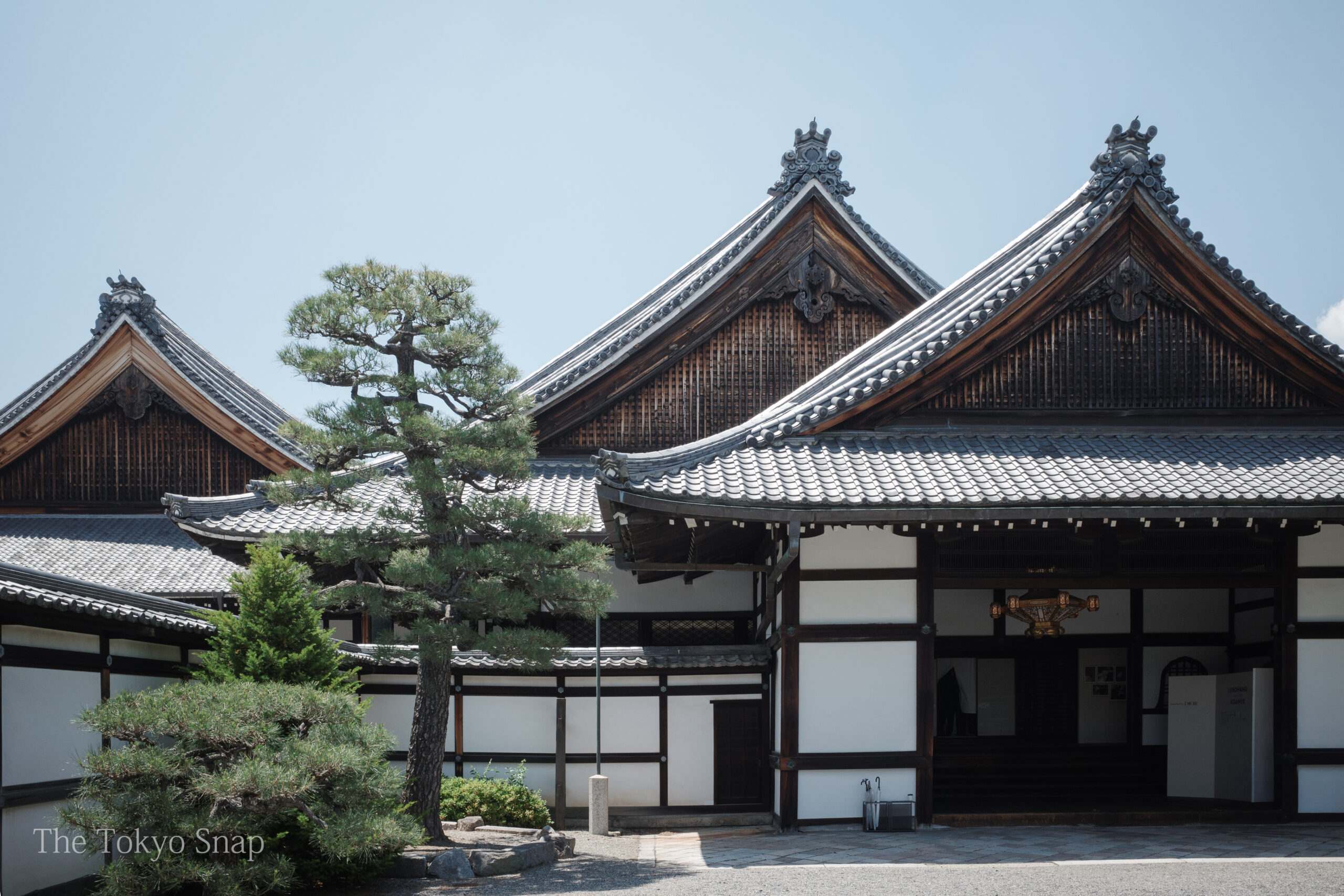
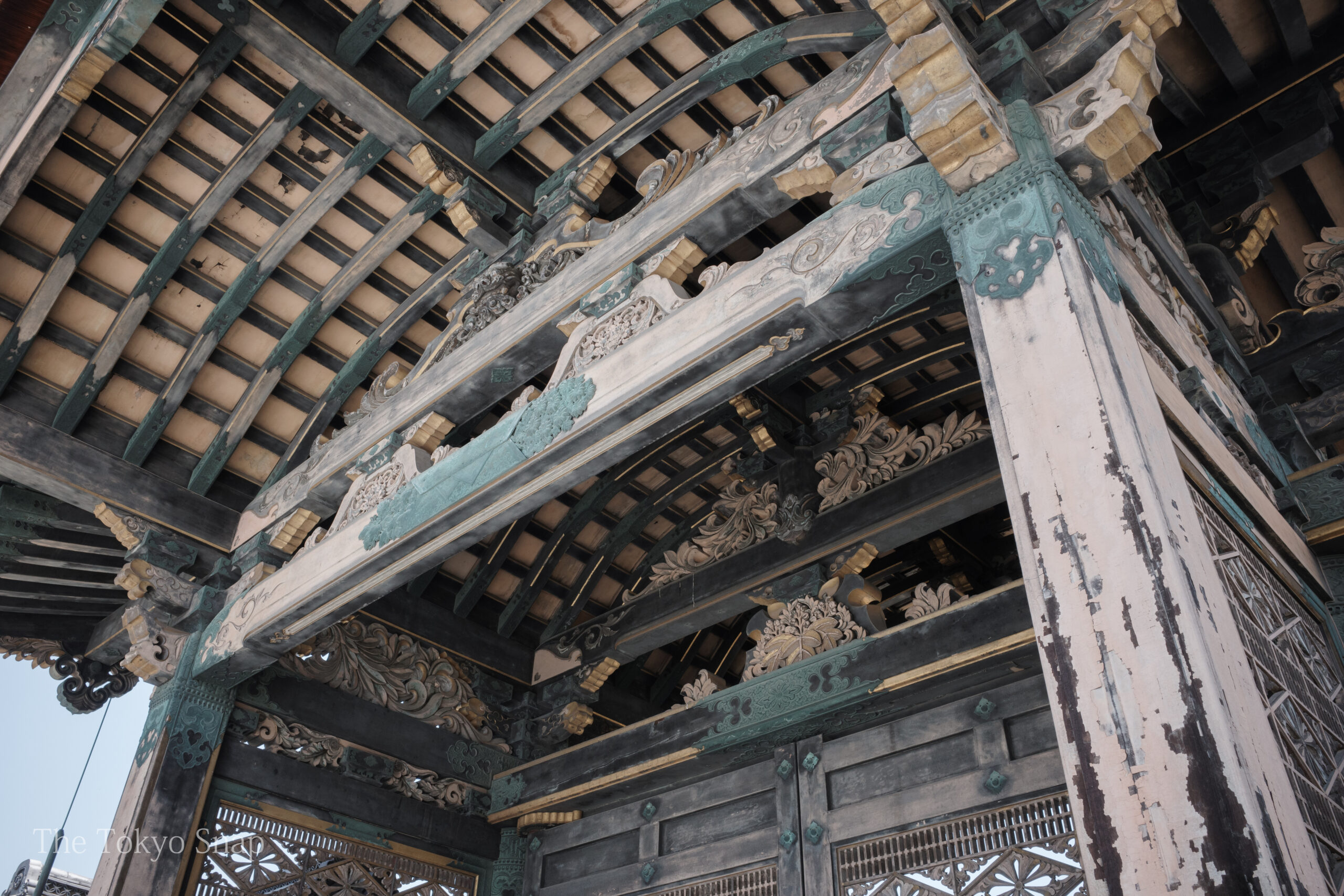
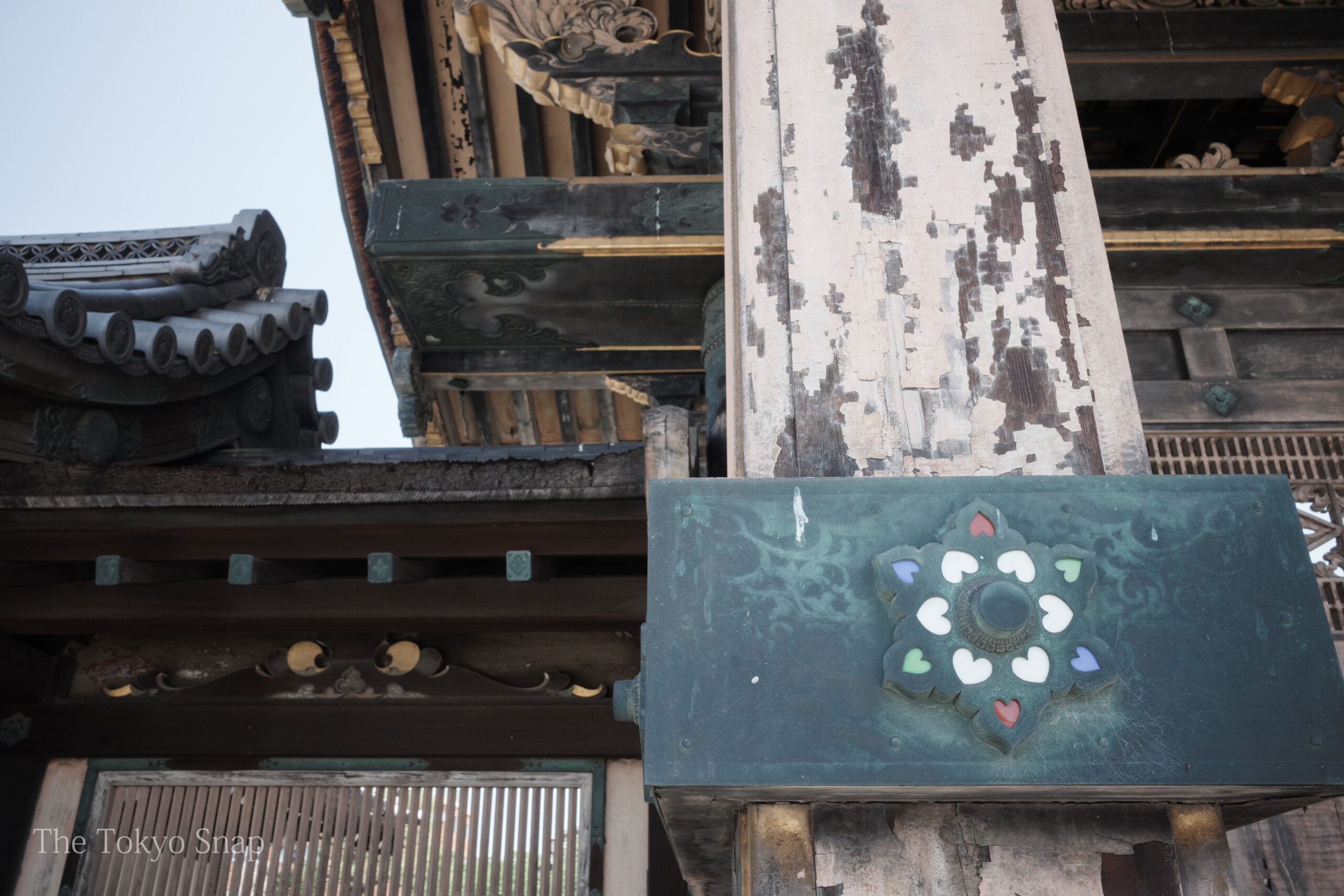
Sanjusangen-do
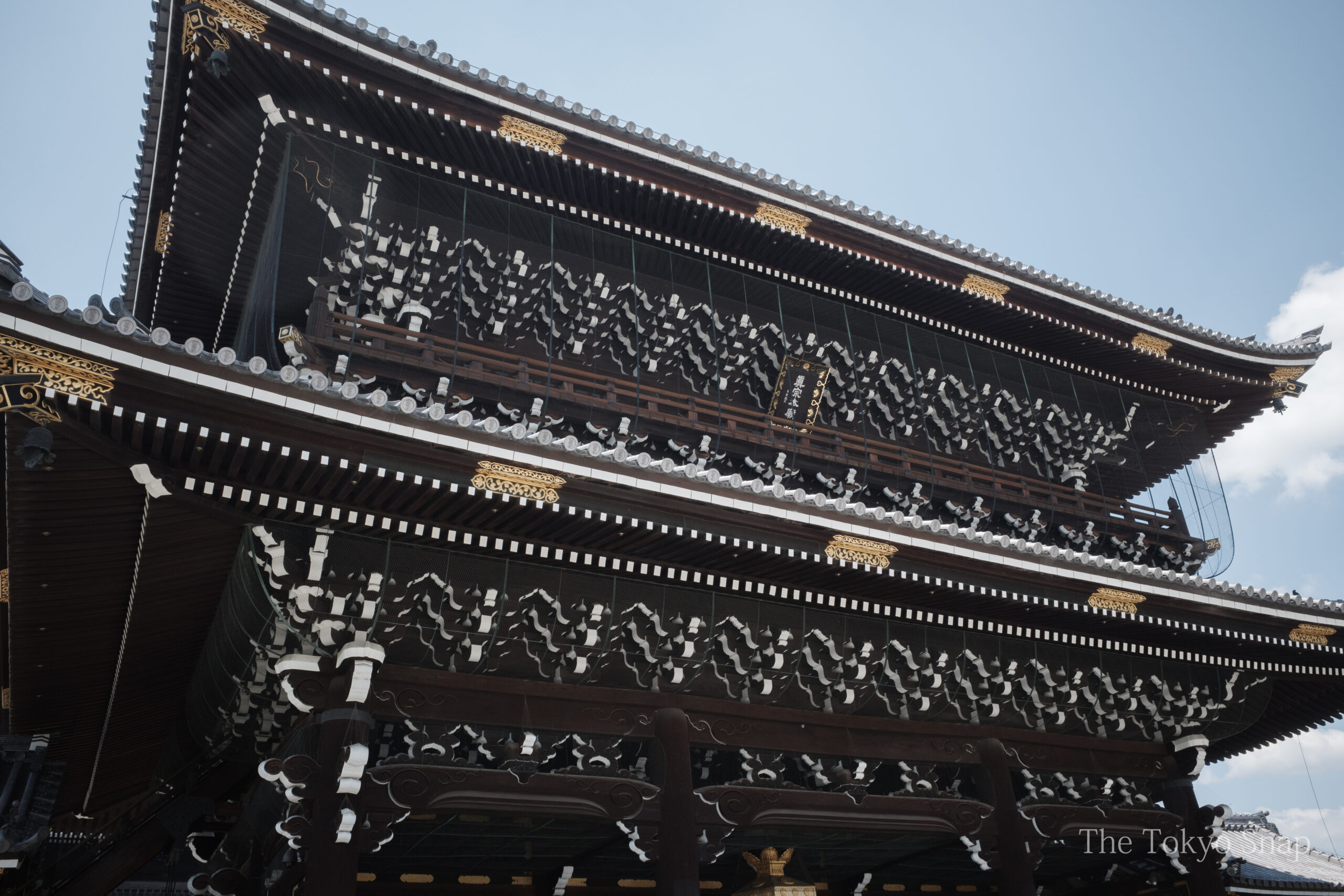
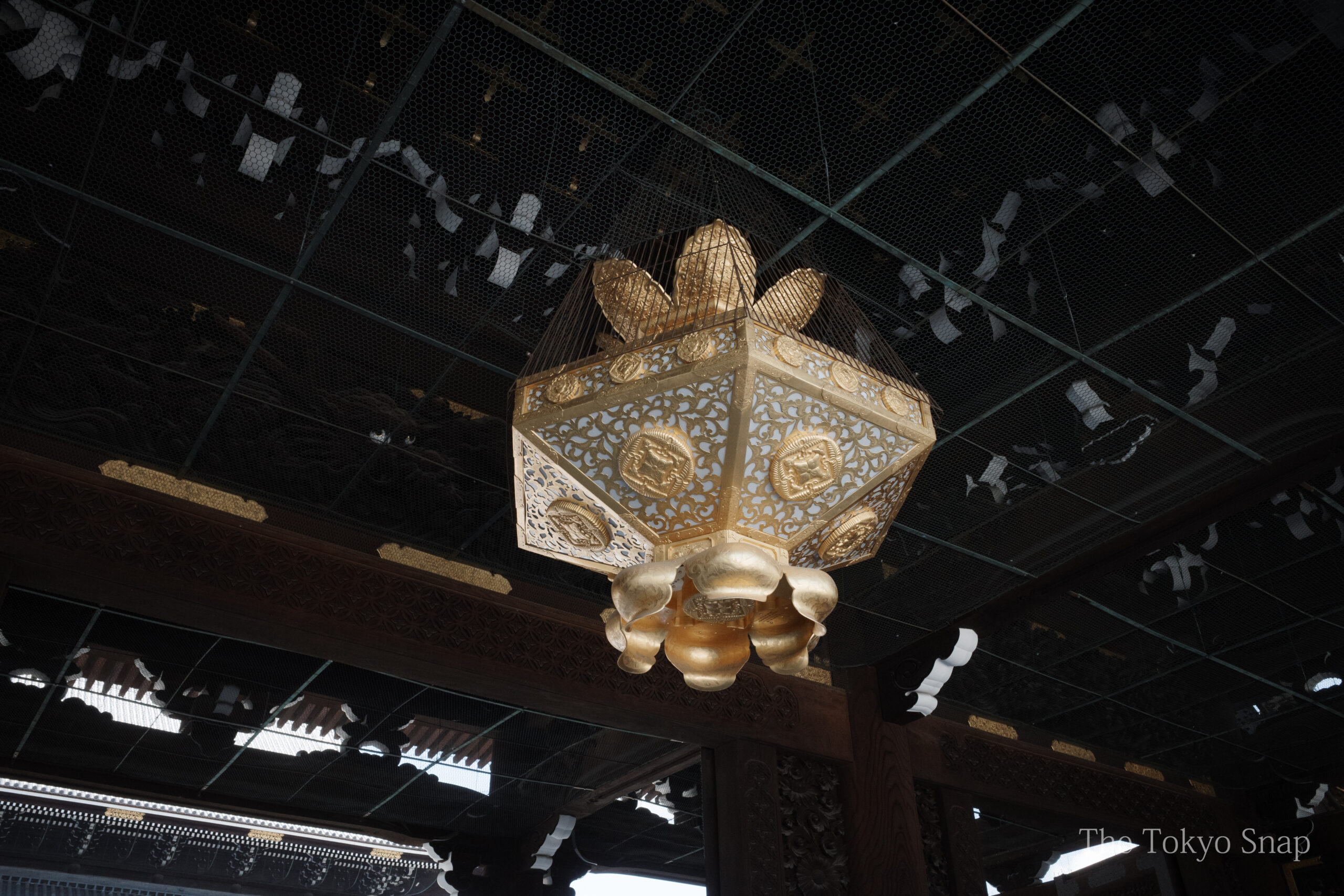
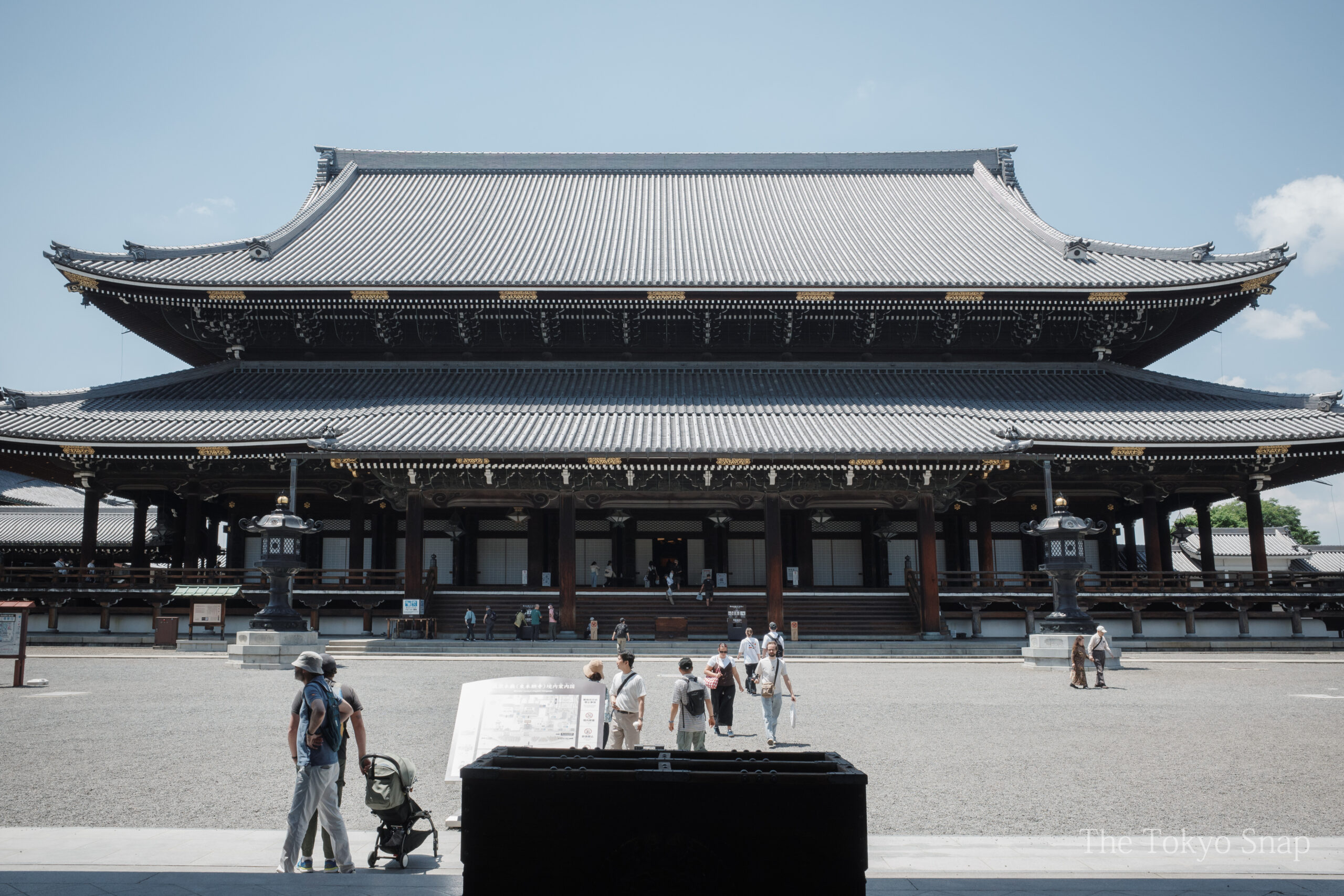
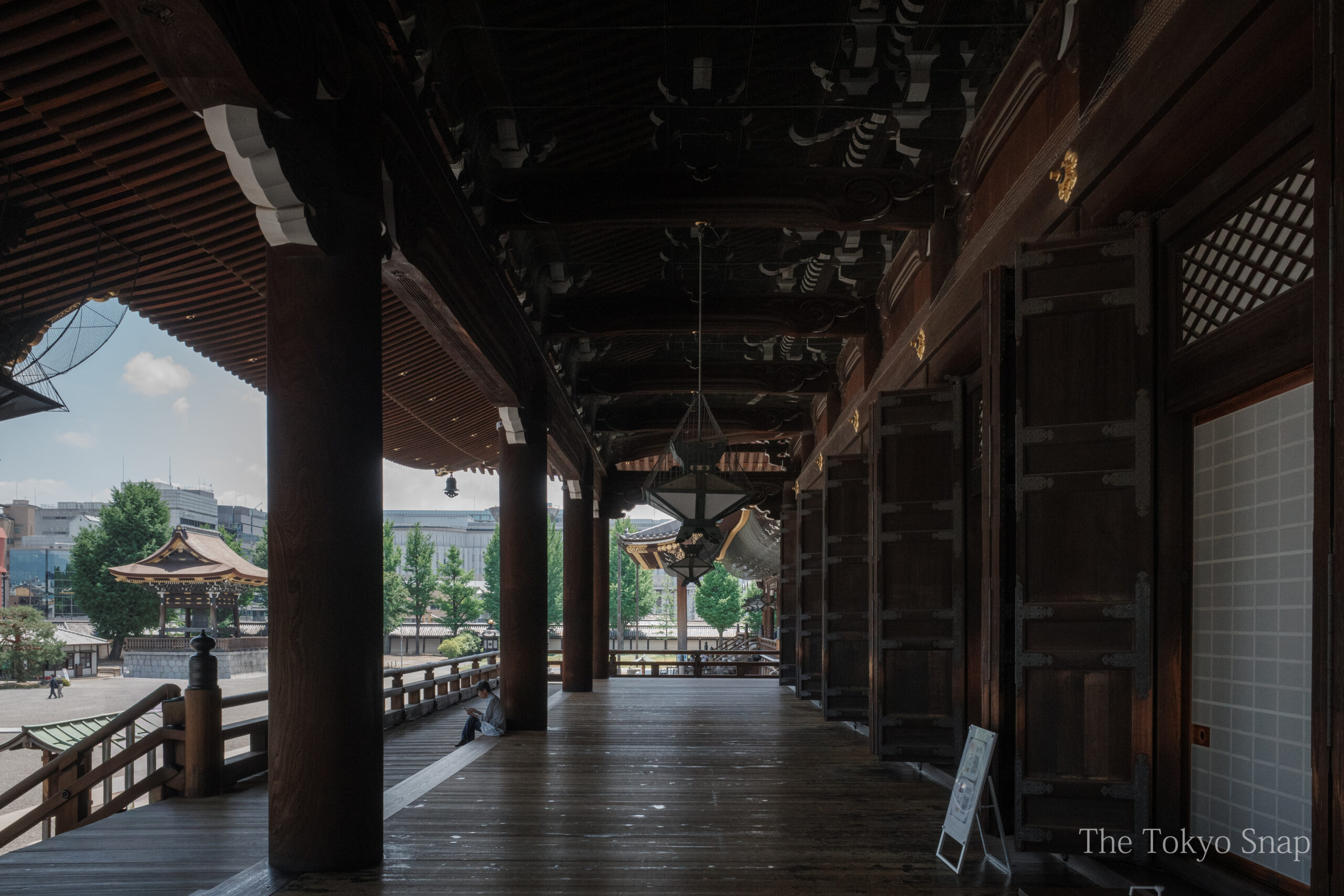
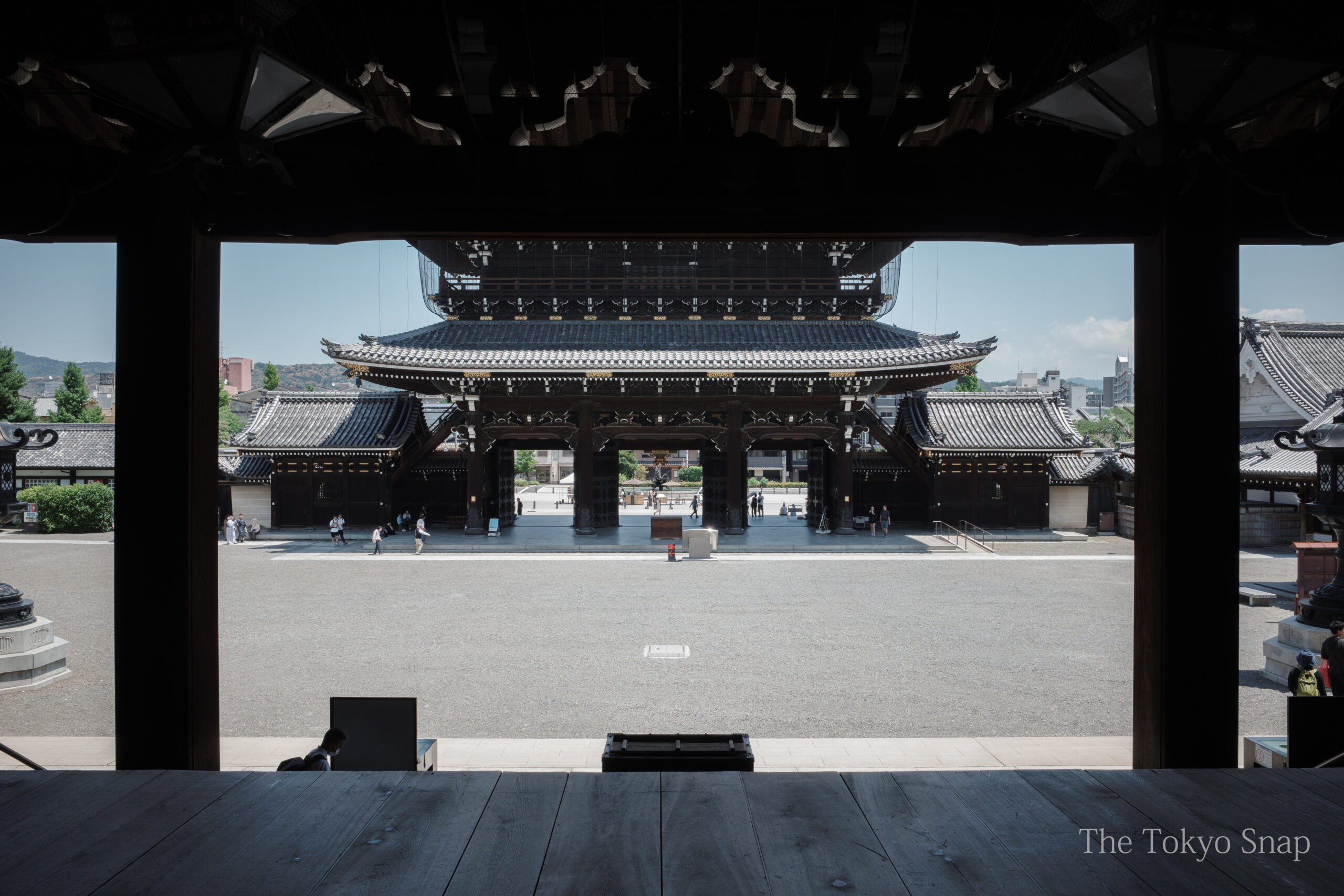
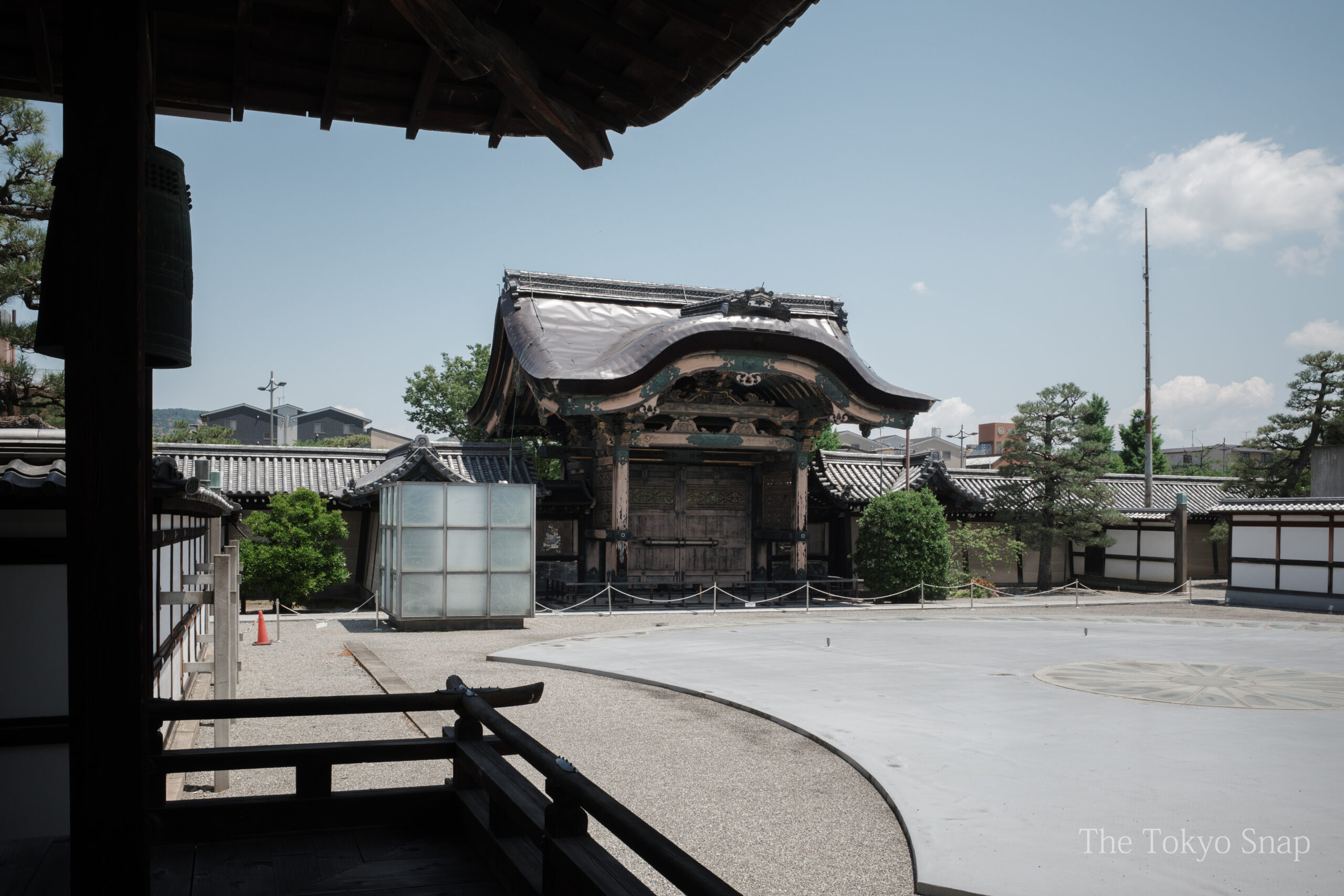
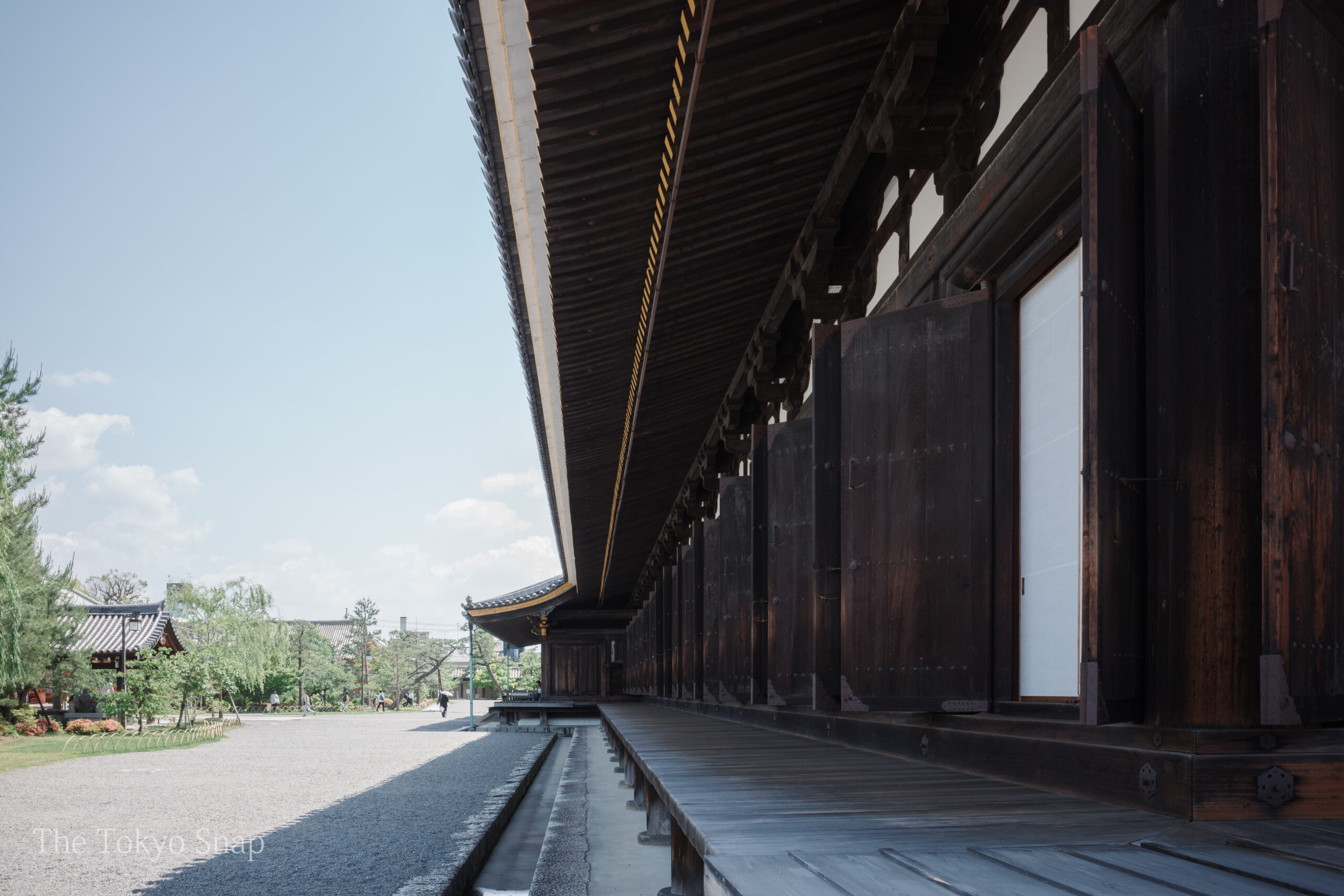
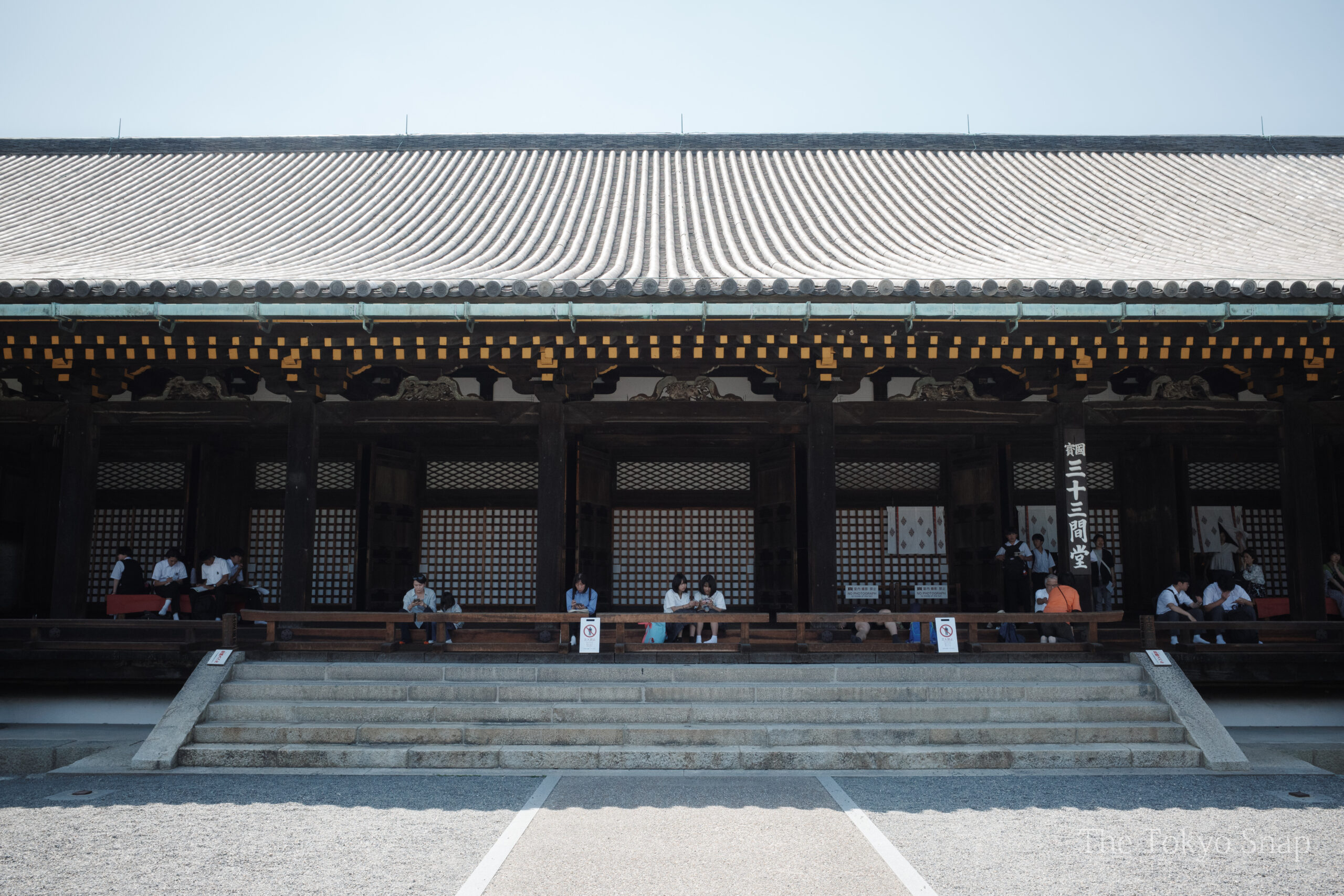
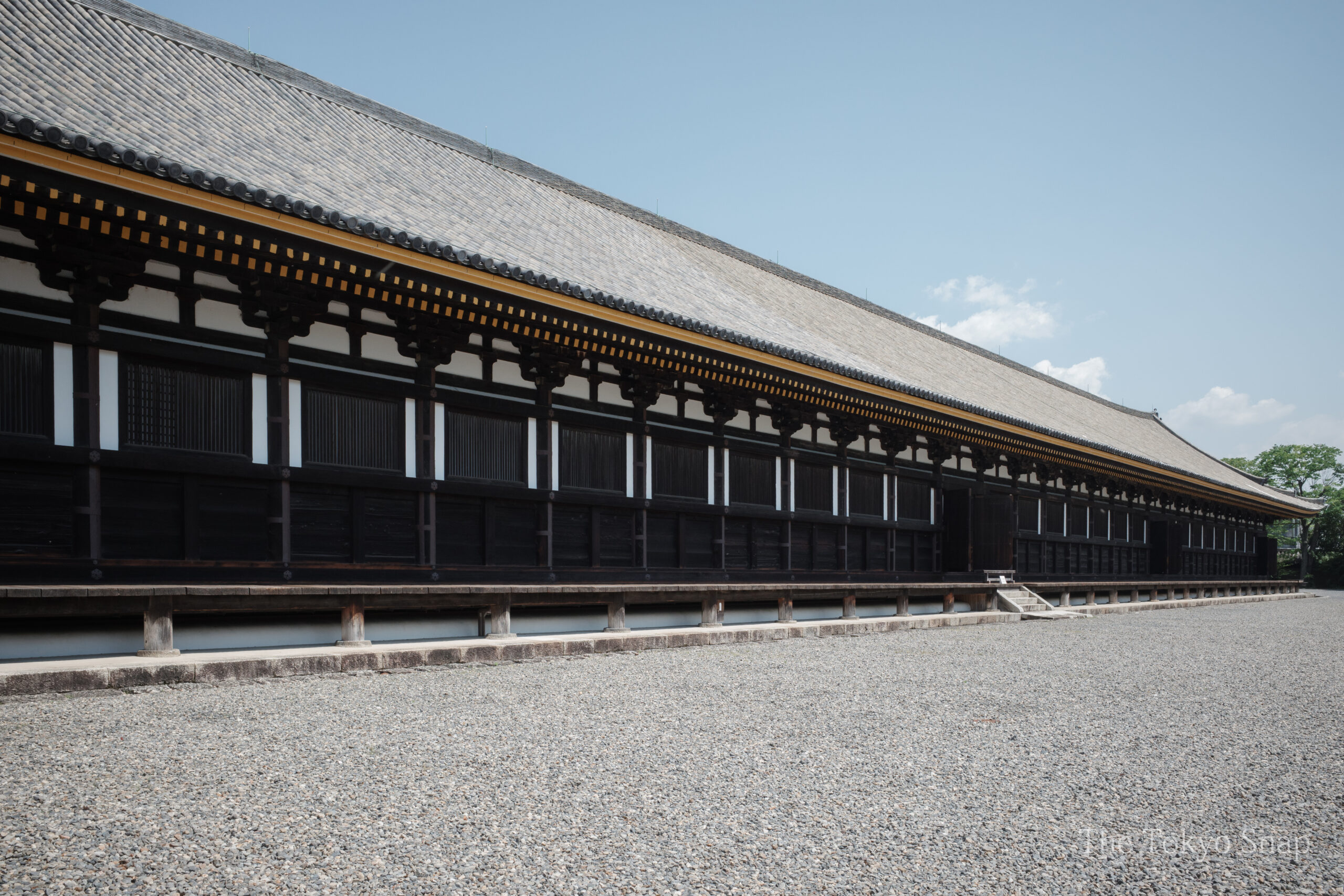
At Sanjusangen-do, I wanted to see once again the overwhelming space of the long main hall and the thousand standing Senju Kannon statues inside. Through the length of the building, the repetition of the columns, and the time spent walking through the grounds, I could once again feel the scale and history of Kyoto’s religious architecture.
Photography is not allowed inside the hall, so there is much that cannot be conveyed through photos. That is exactly why I hope you will visit in person and experience its power for yourself. (GR IV Image Control: Negative Film)
三十三間堂では、長大な本堂と、堂内に並ぶ千体千手観音立像の圧倒的な空間をもう一度見たかった。建物の長さ、柱の反復、境内を歩く時間を通して、京都の宗教建築が持つスケールと歴史をあらためて感じることができた。
堂内は撮影禁止のため写真では伝えられない部分が多いが、だからこそ、ぜひ実際に足を運んでその迫力を味わってほしい。(GR IV イメージコントロール:ネガフィルム調)
Tofukuji
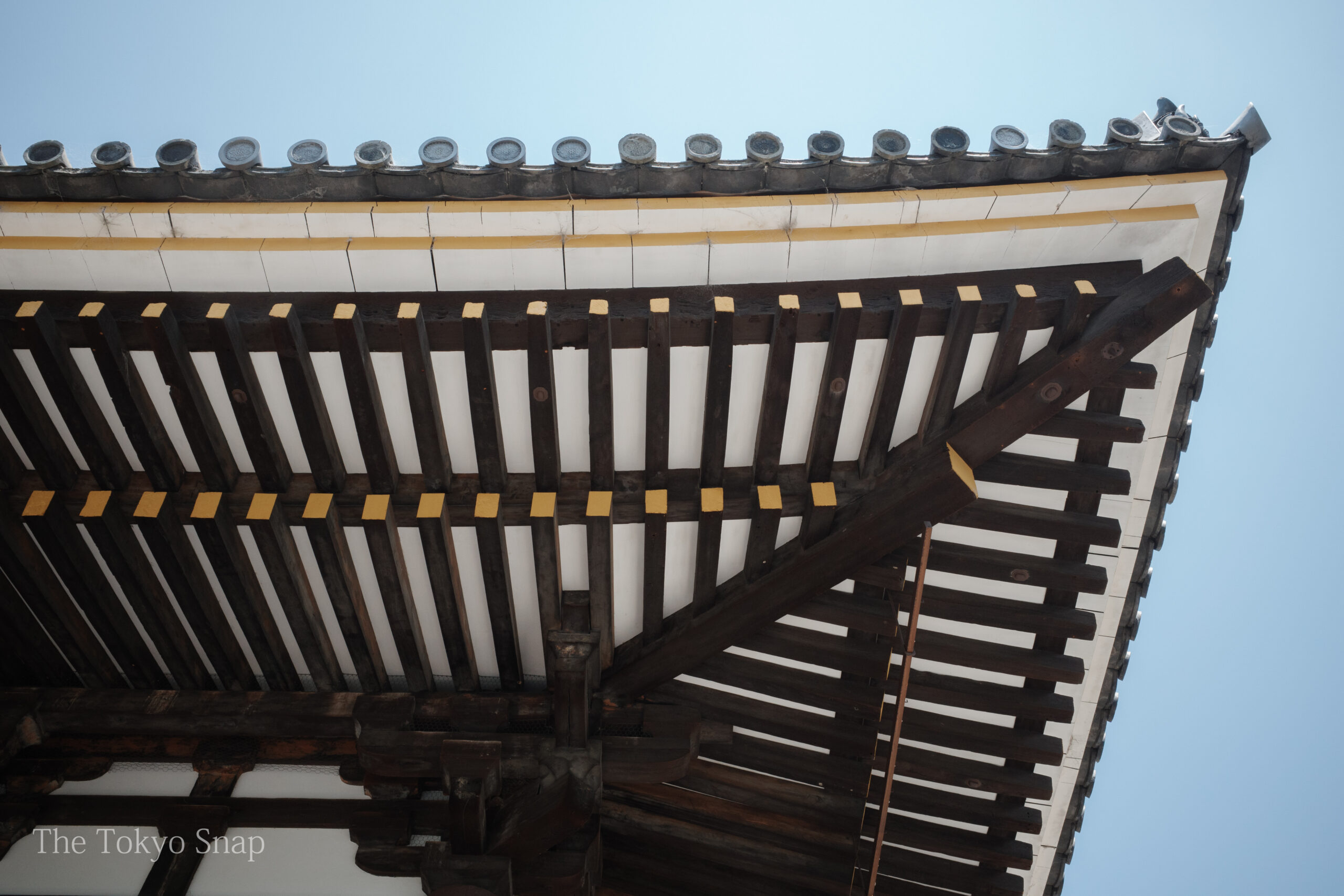
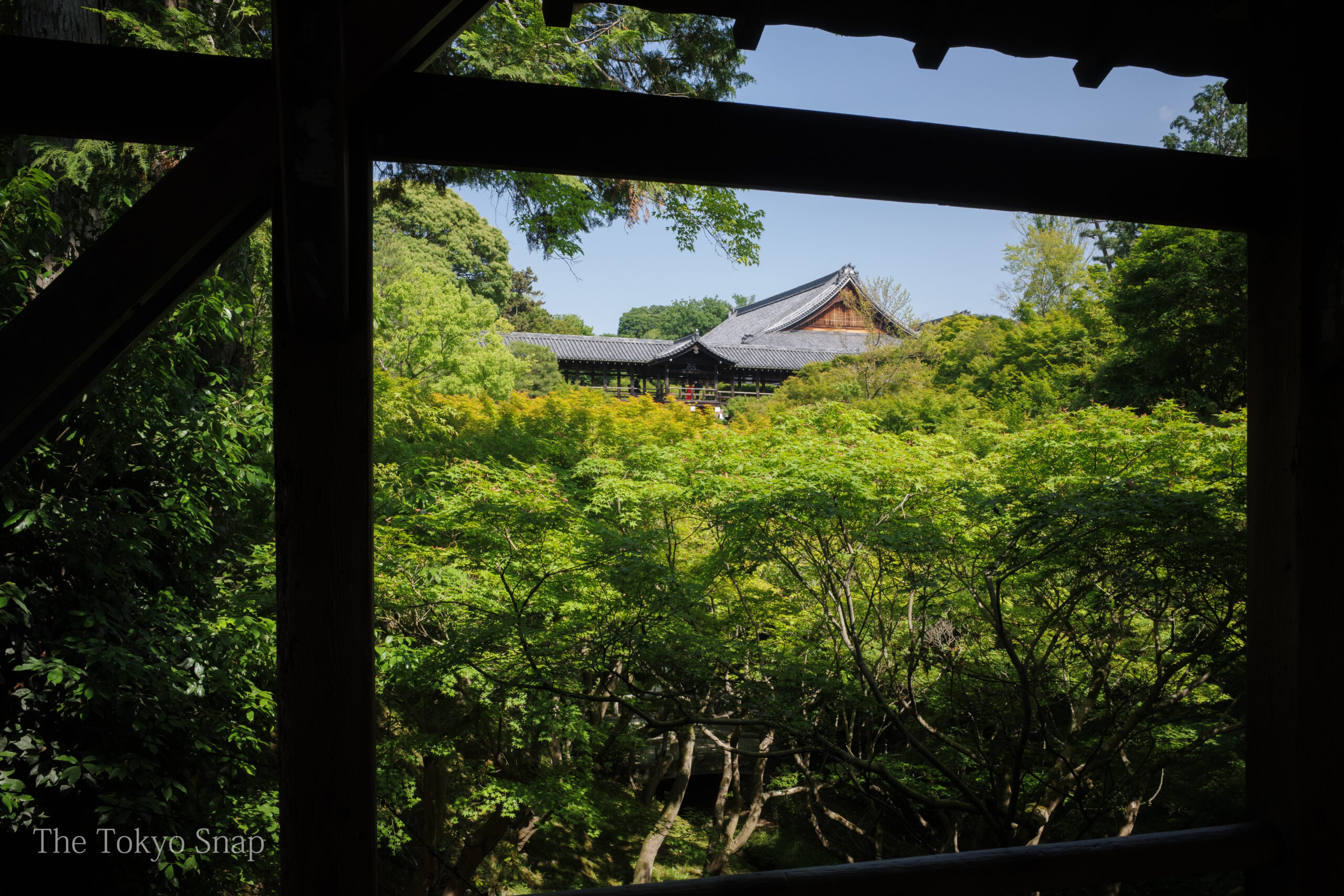
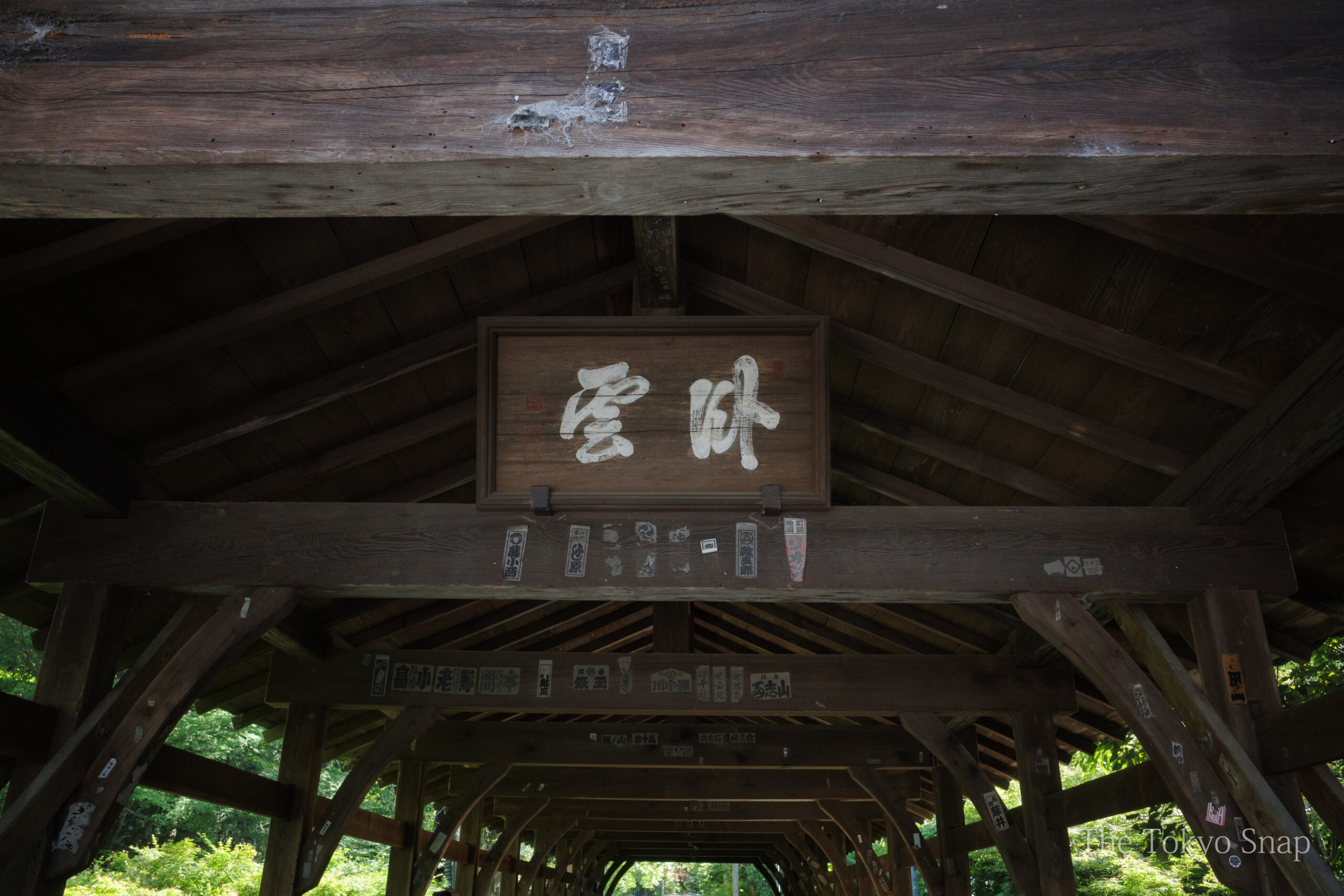
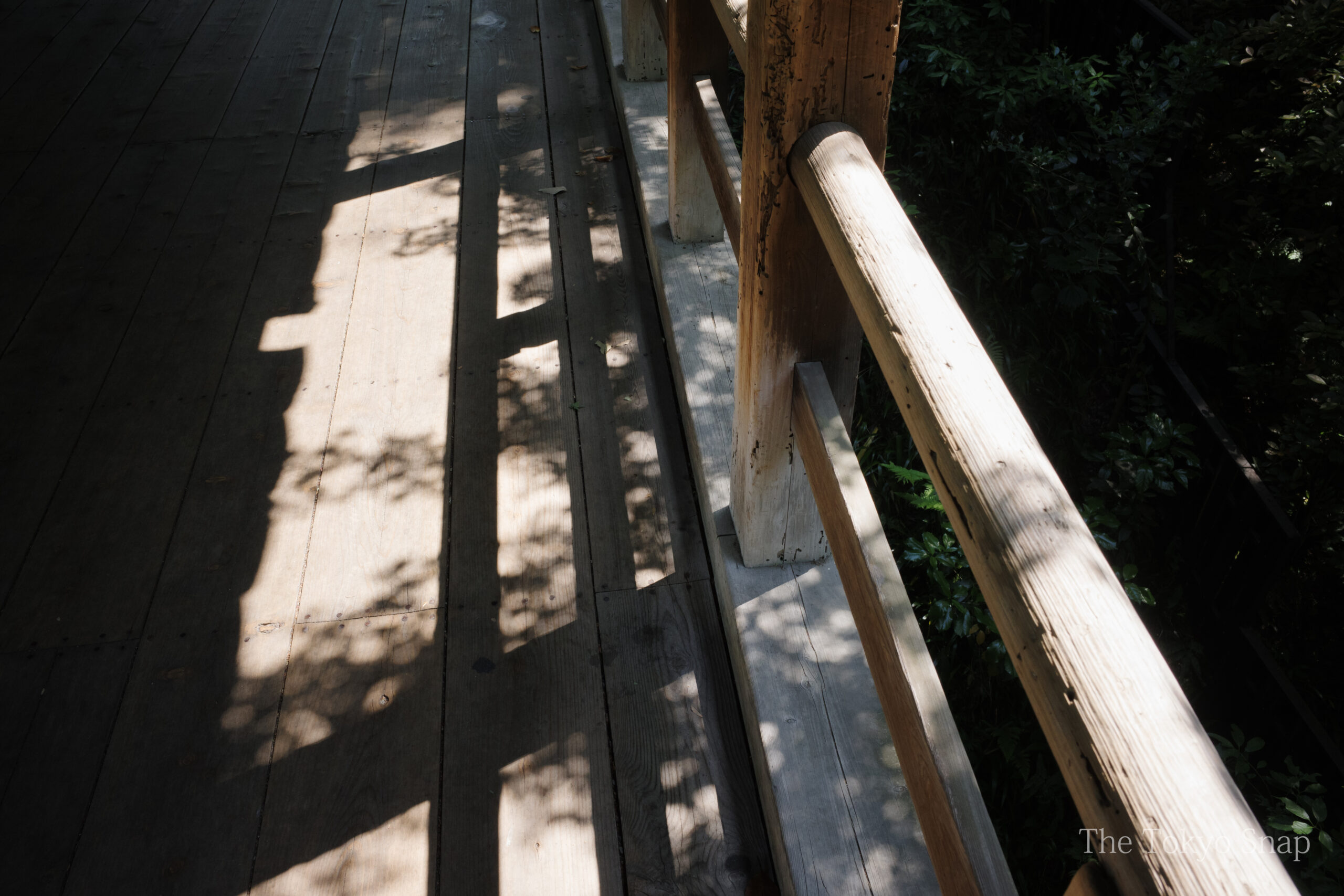
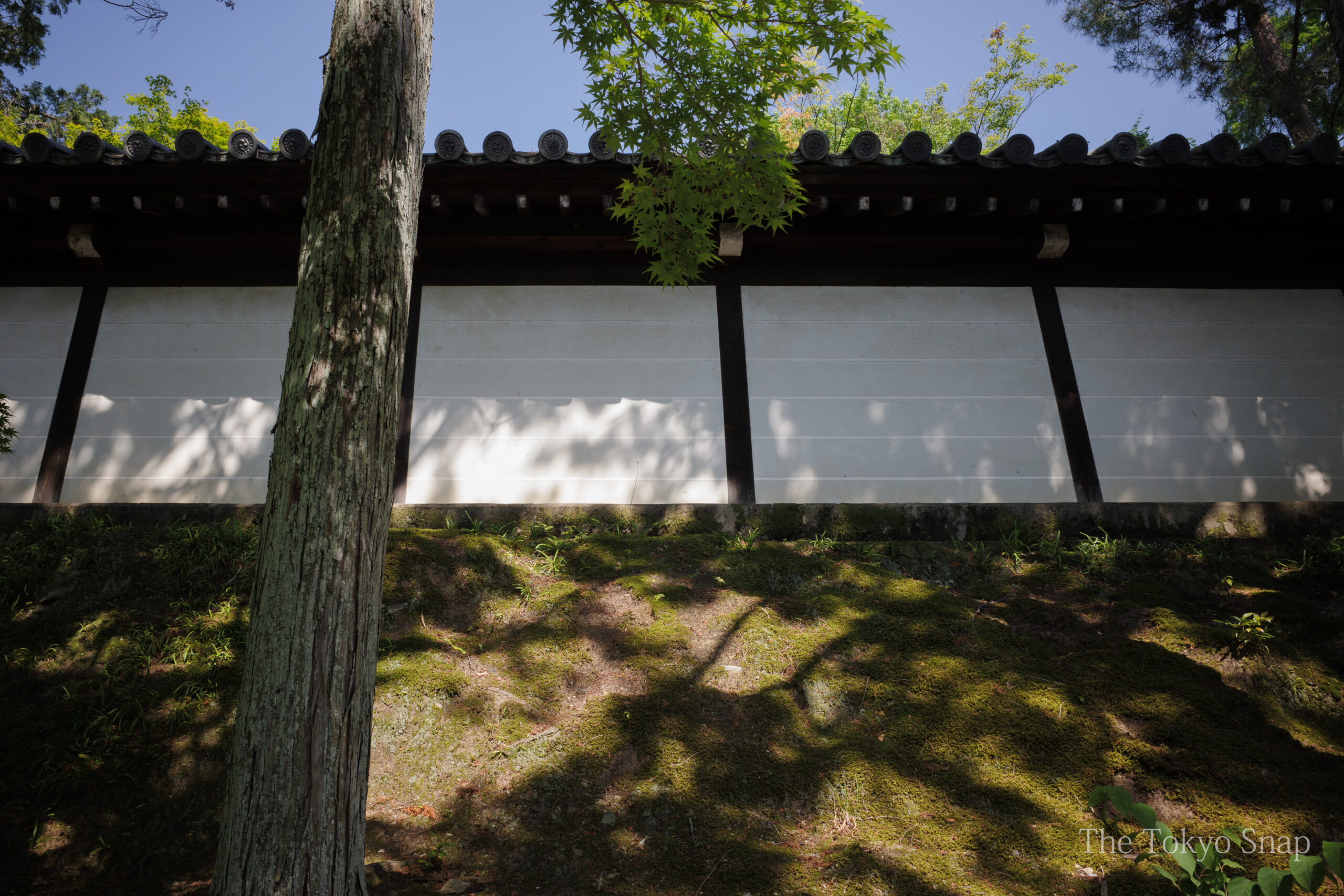
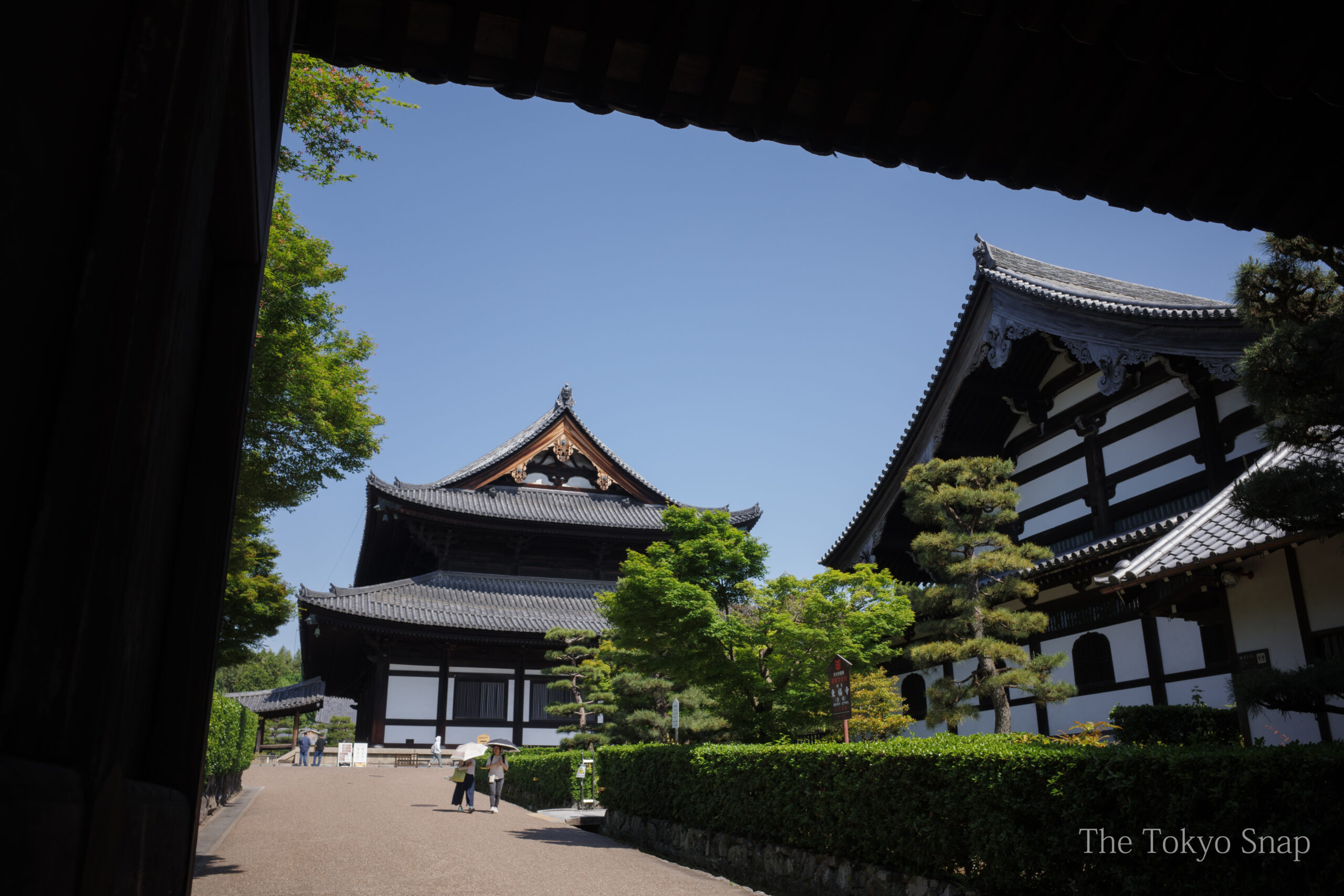
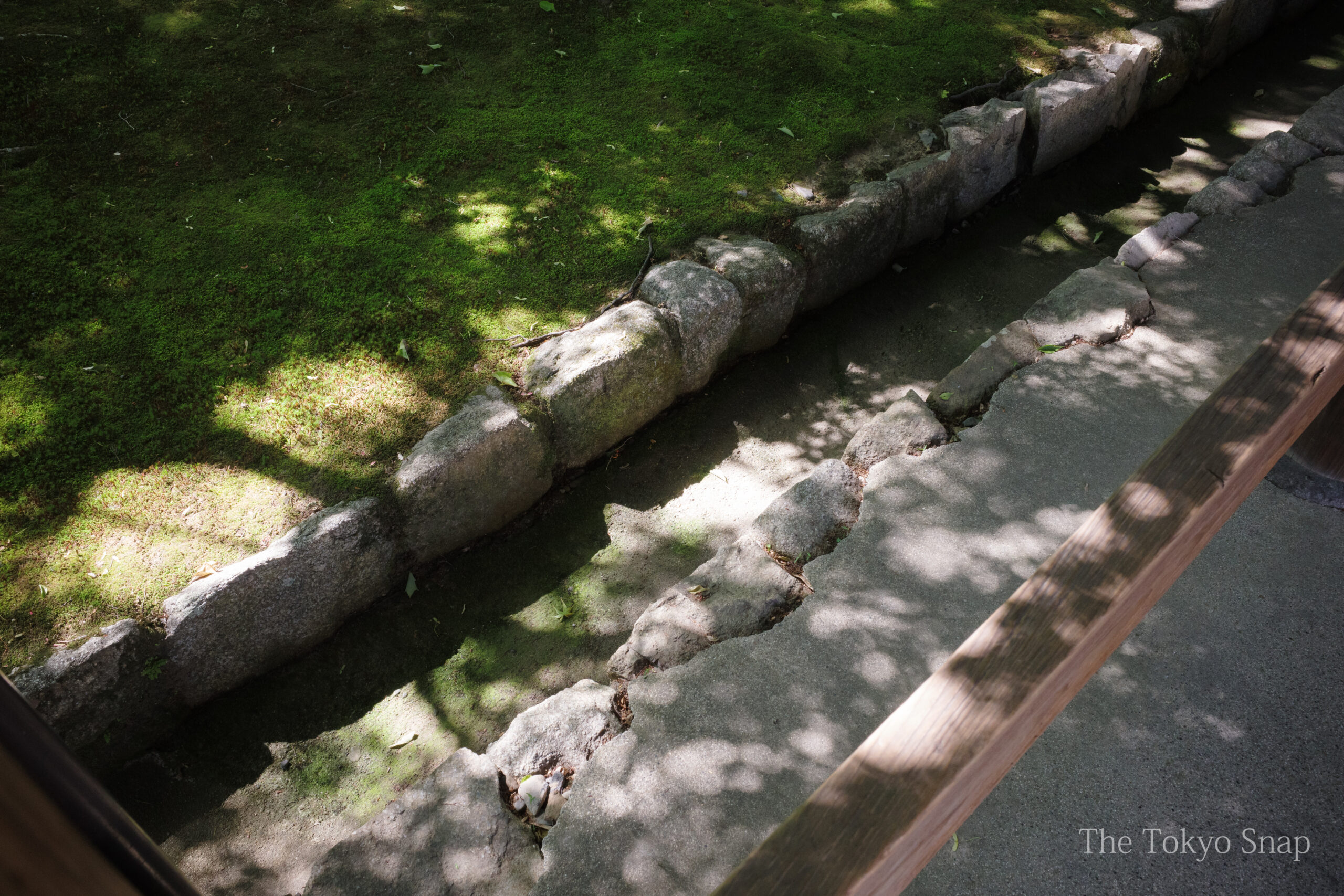
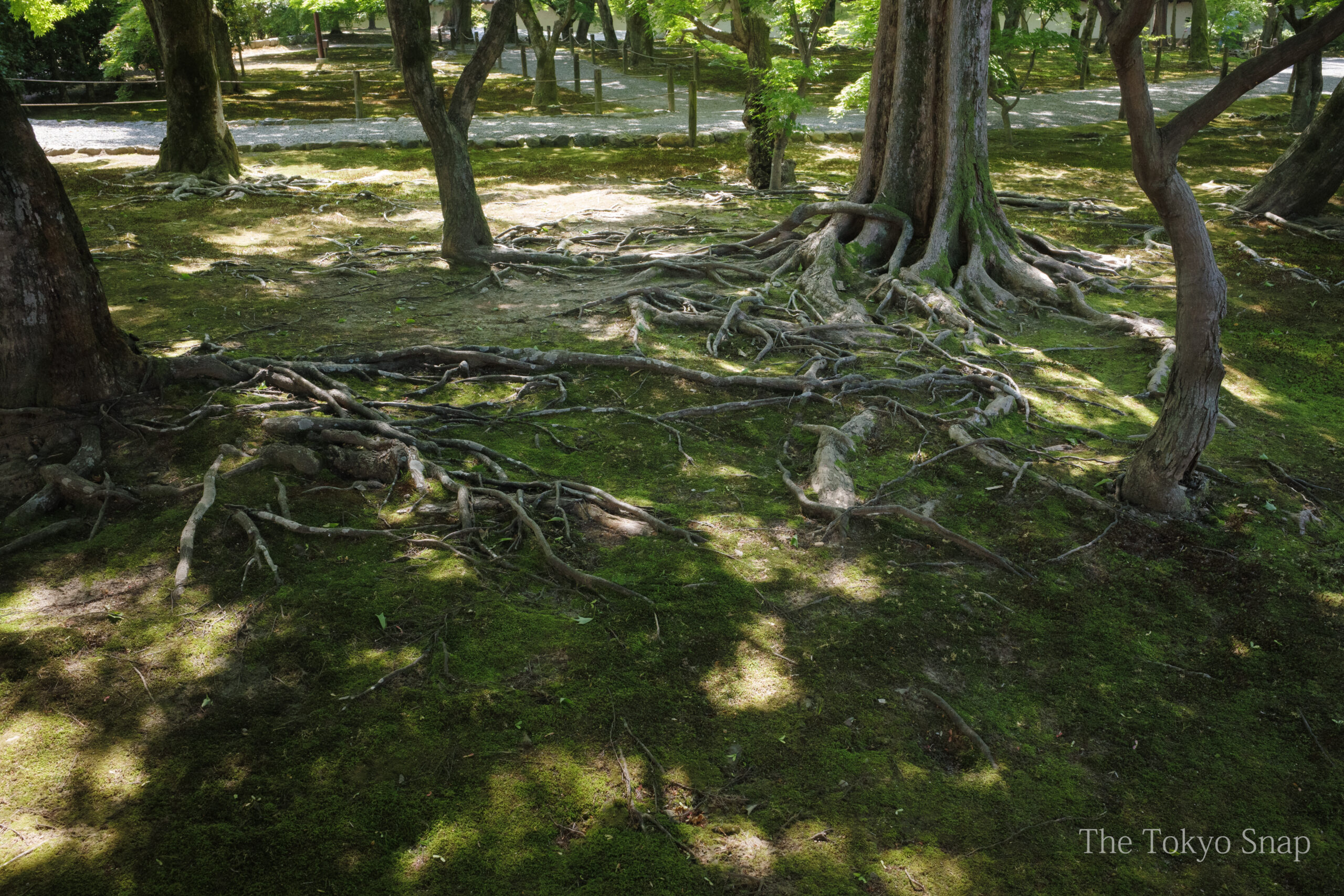
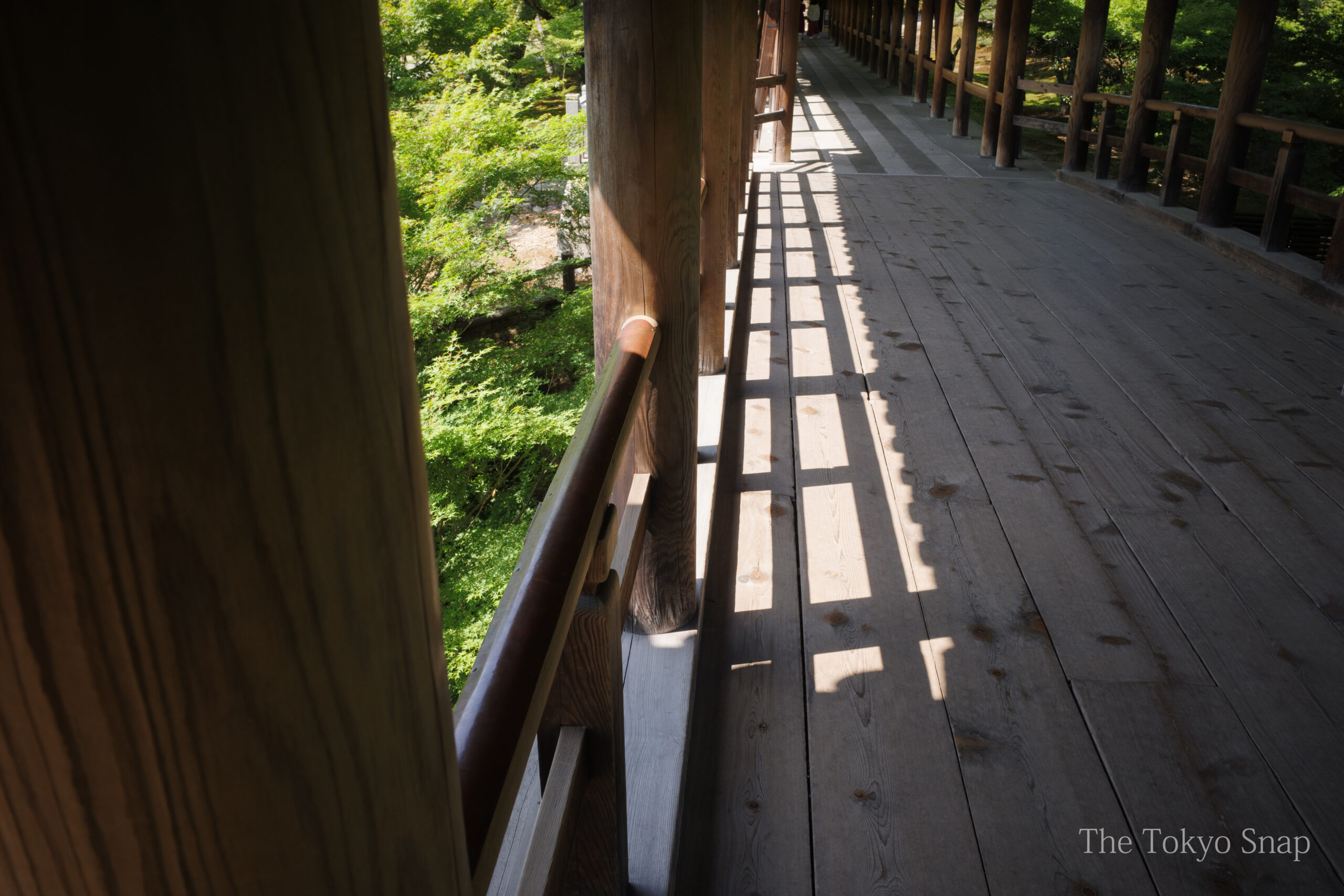
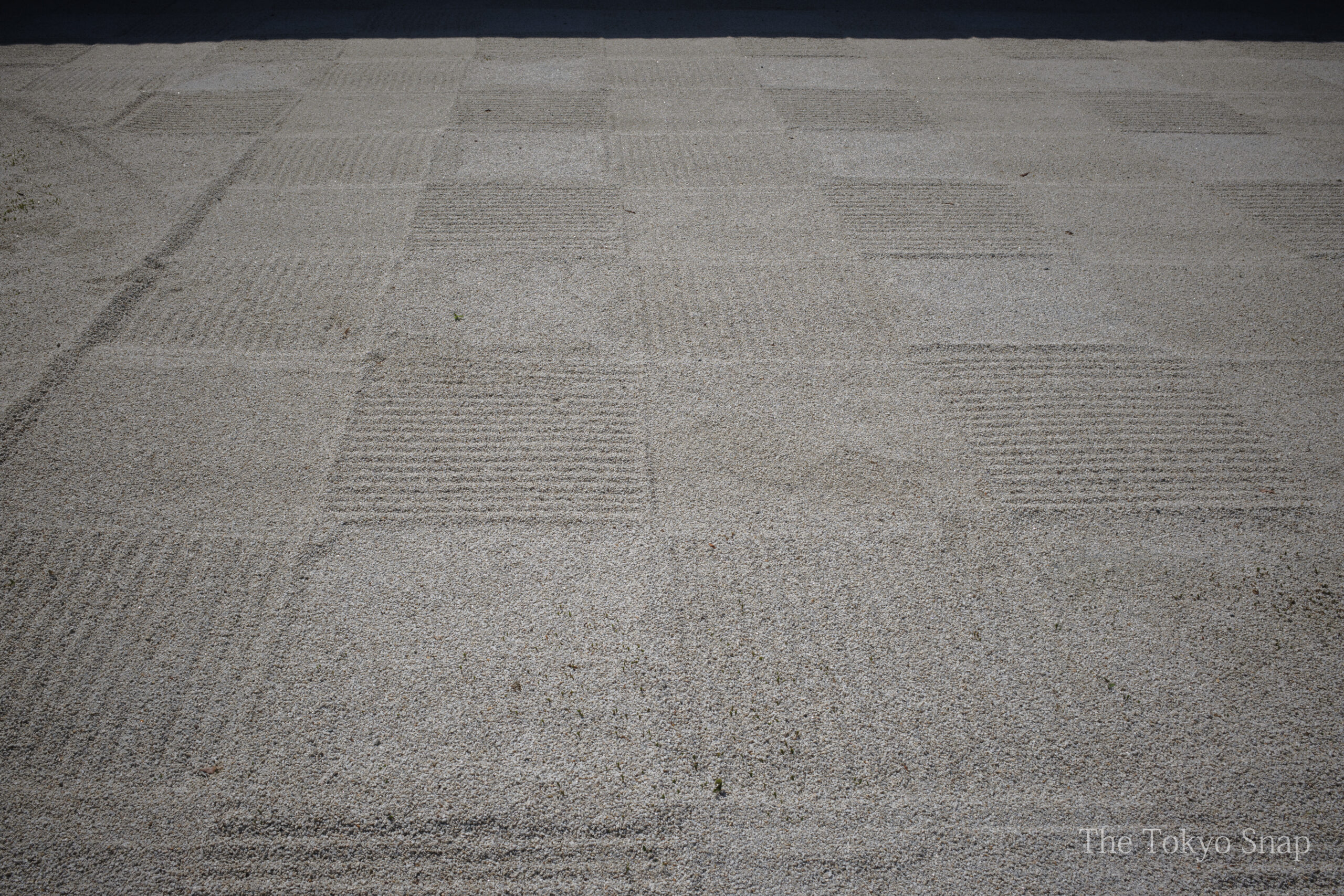
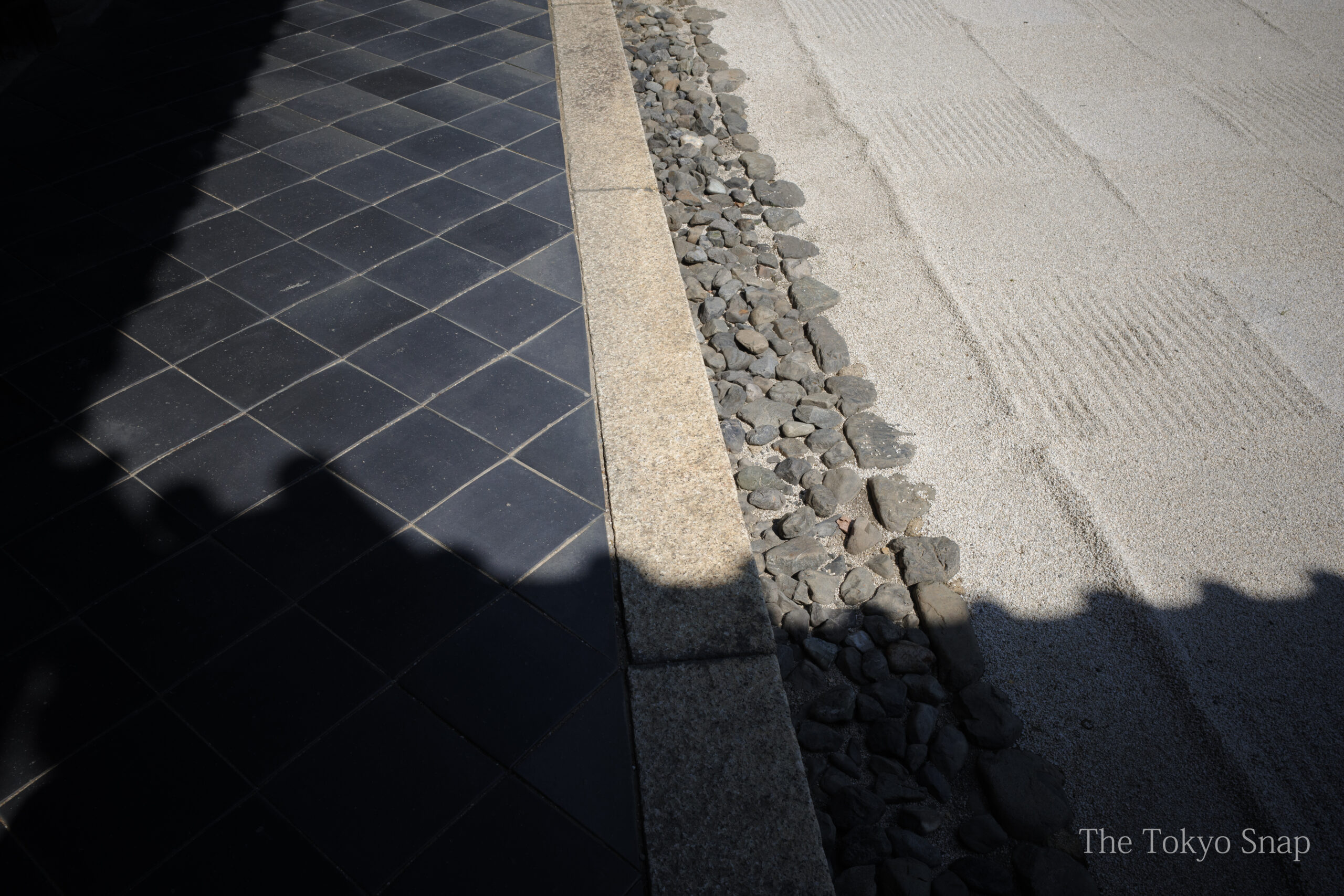
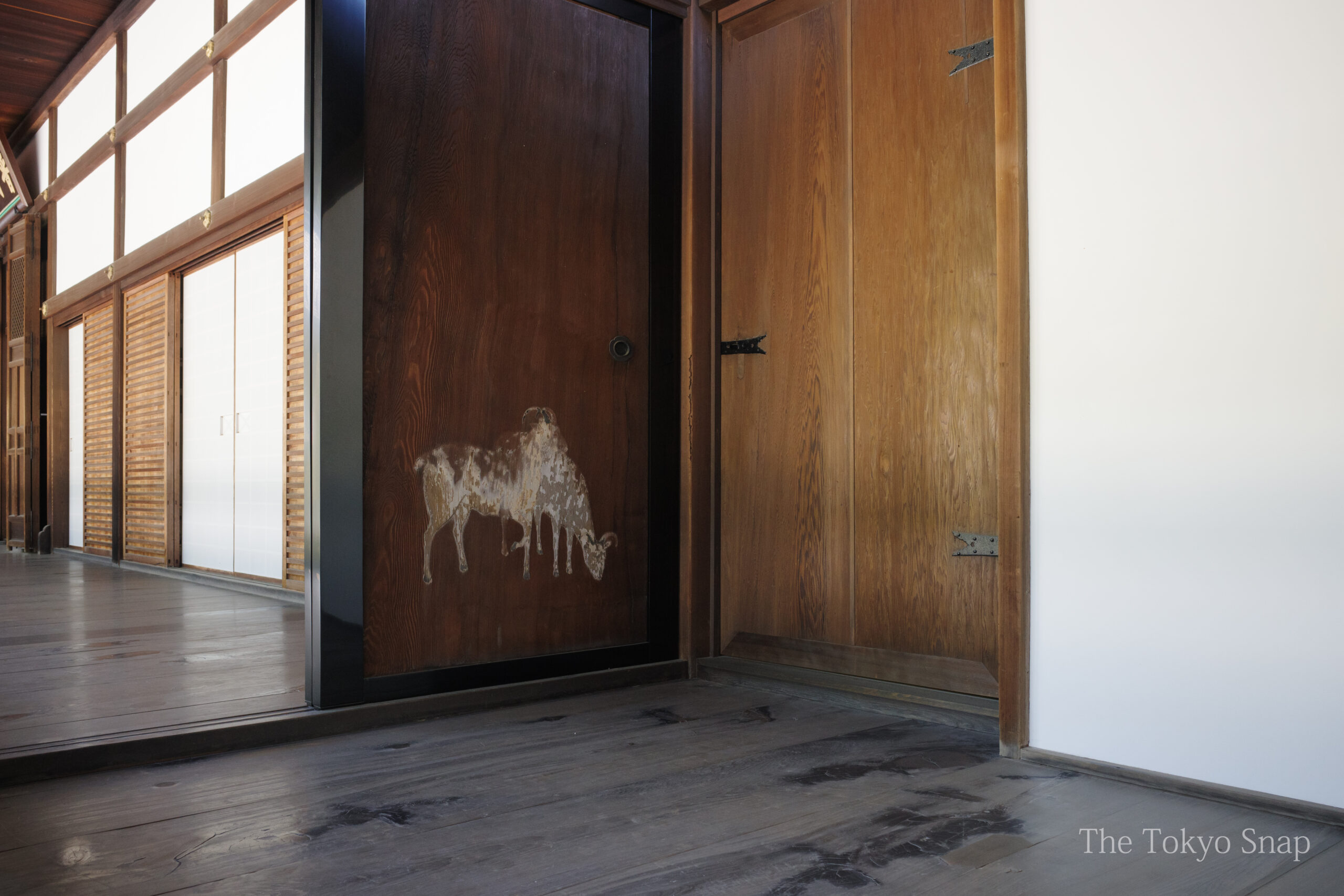
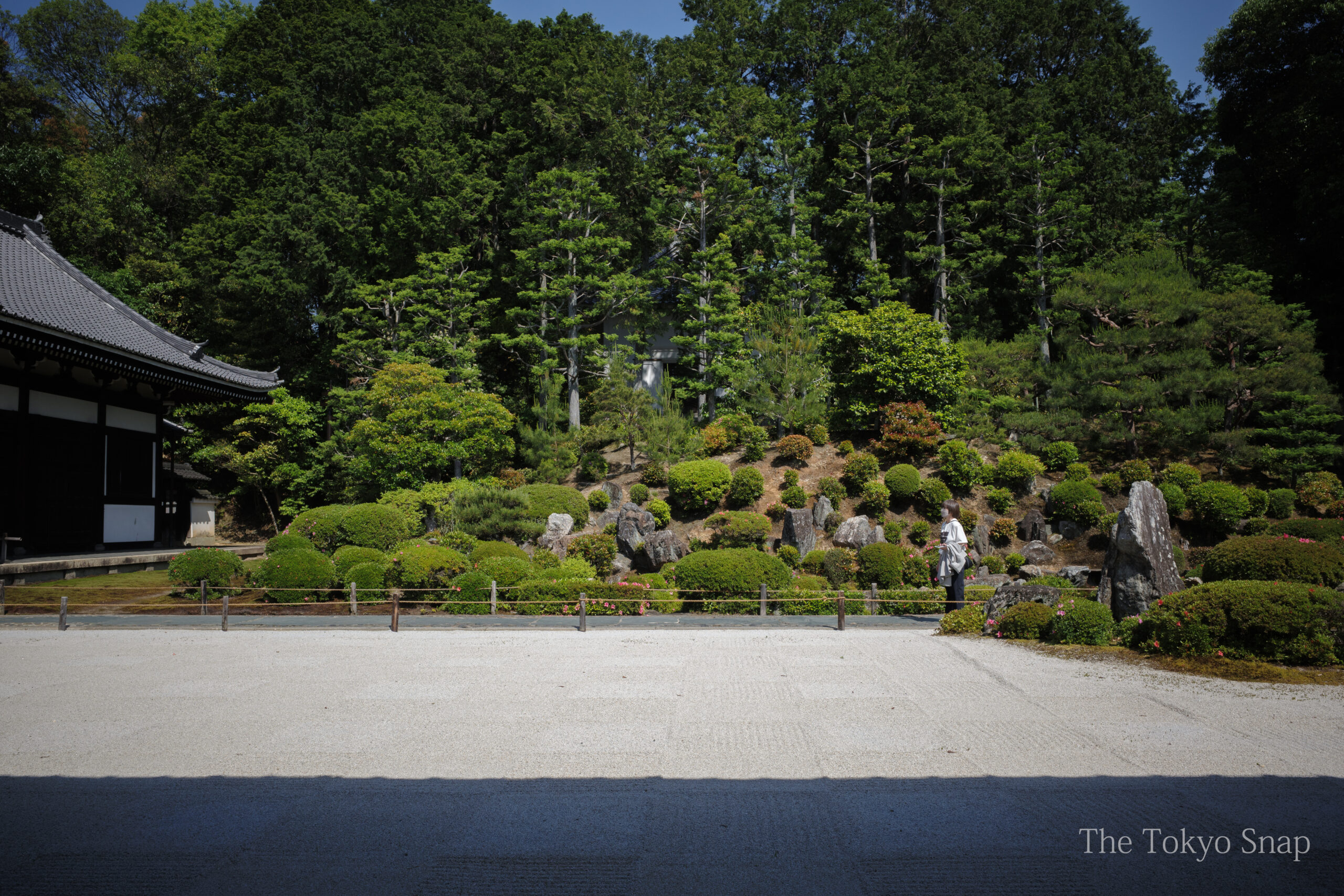
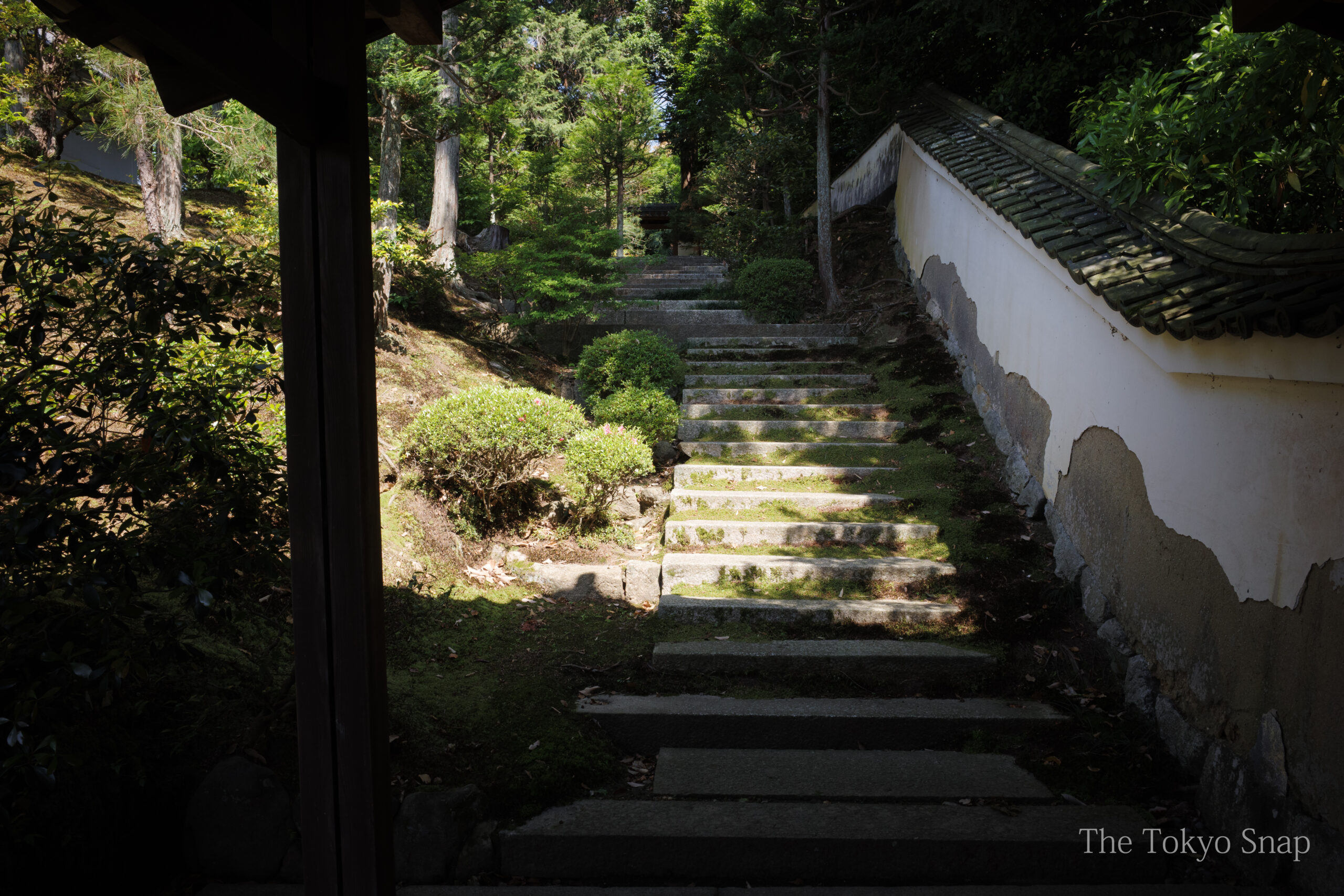
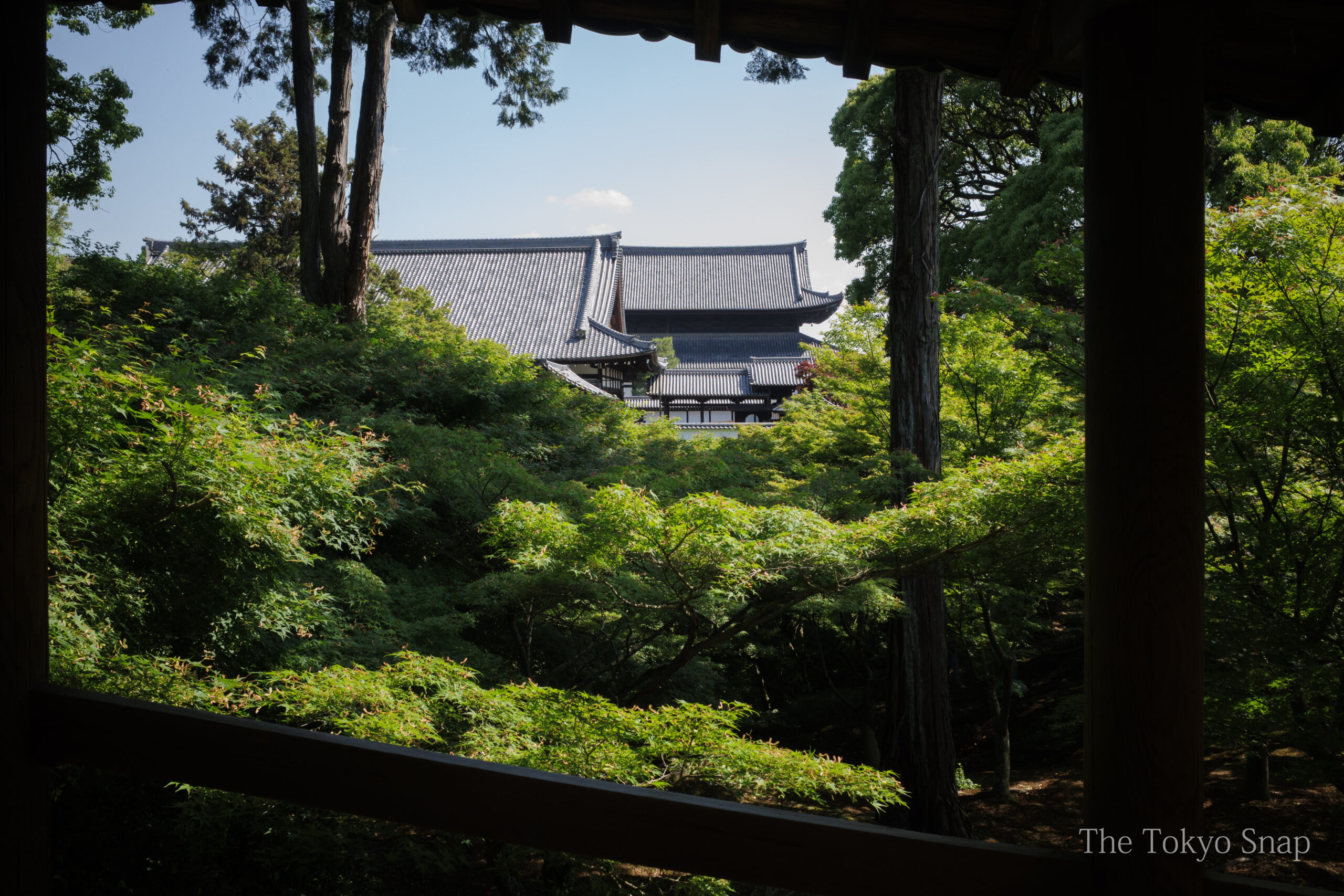
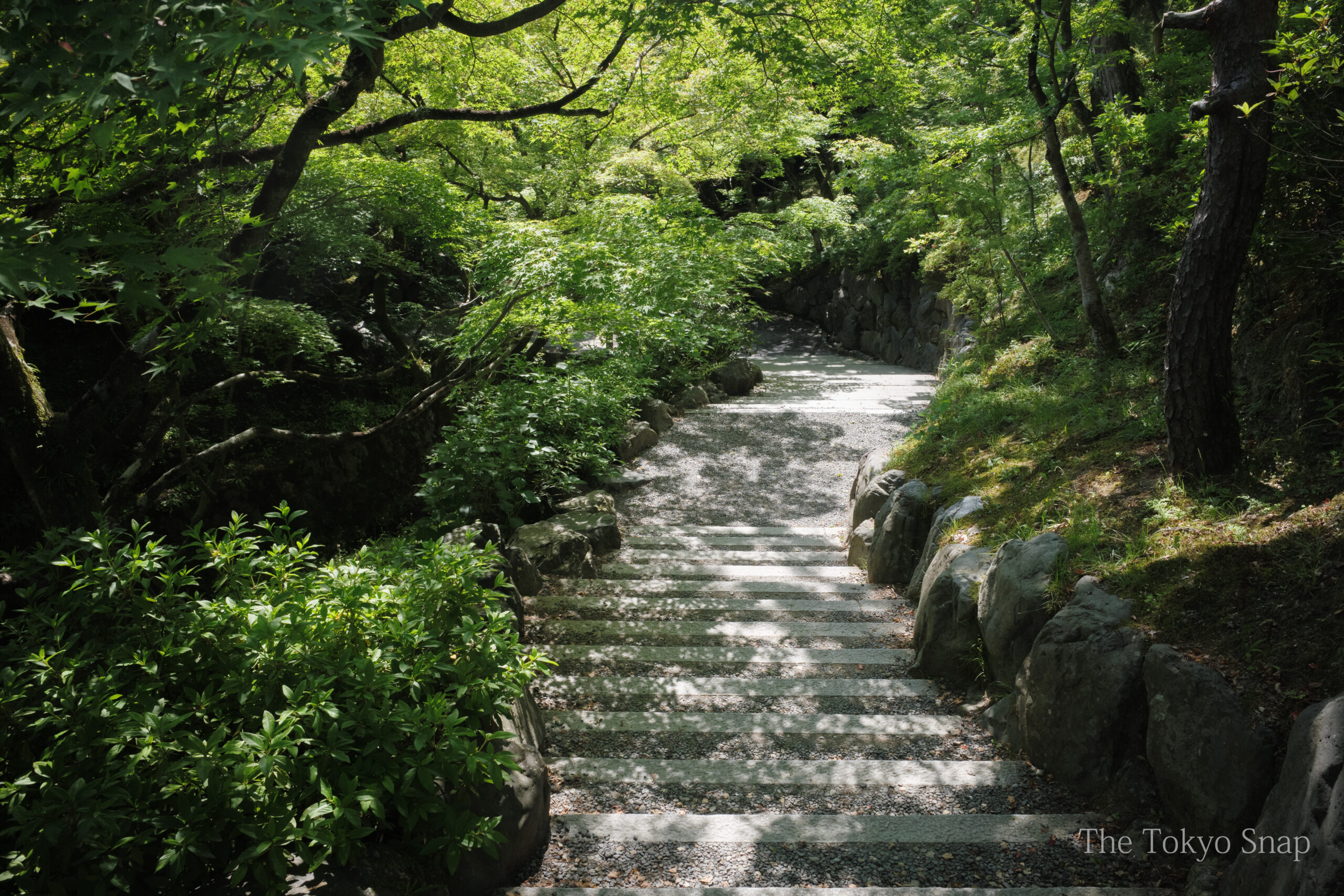
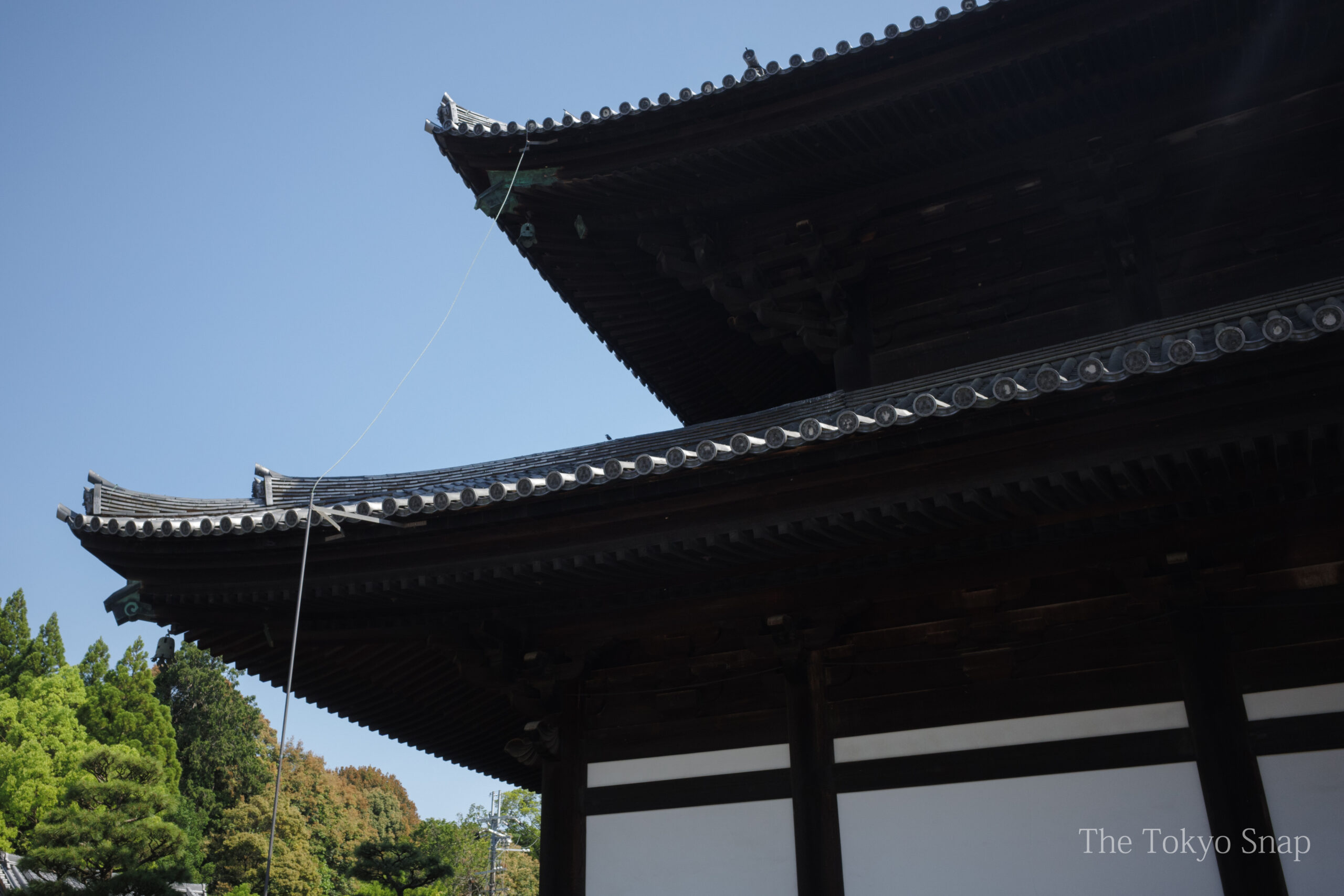
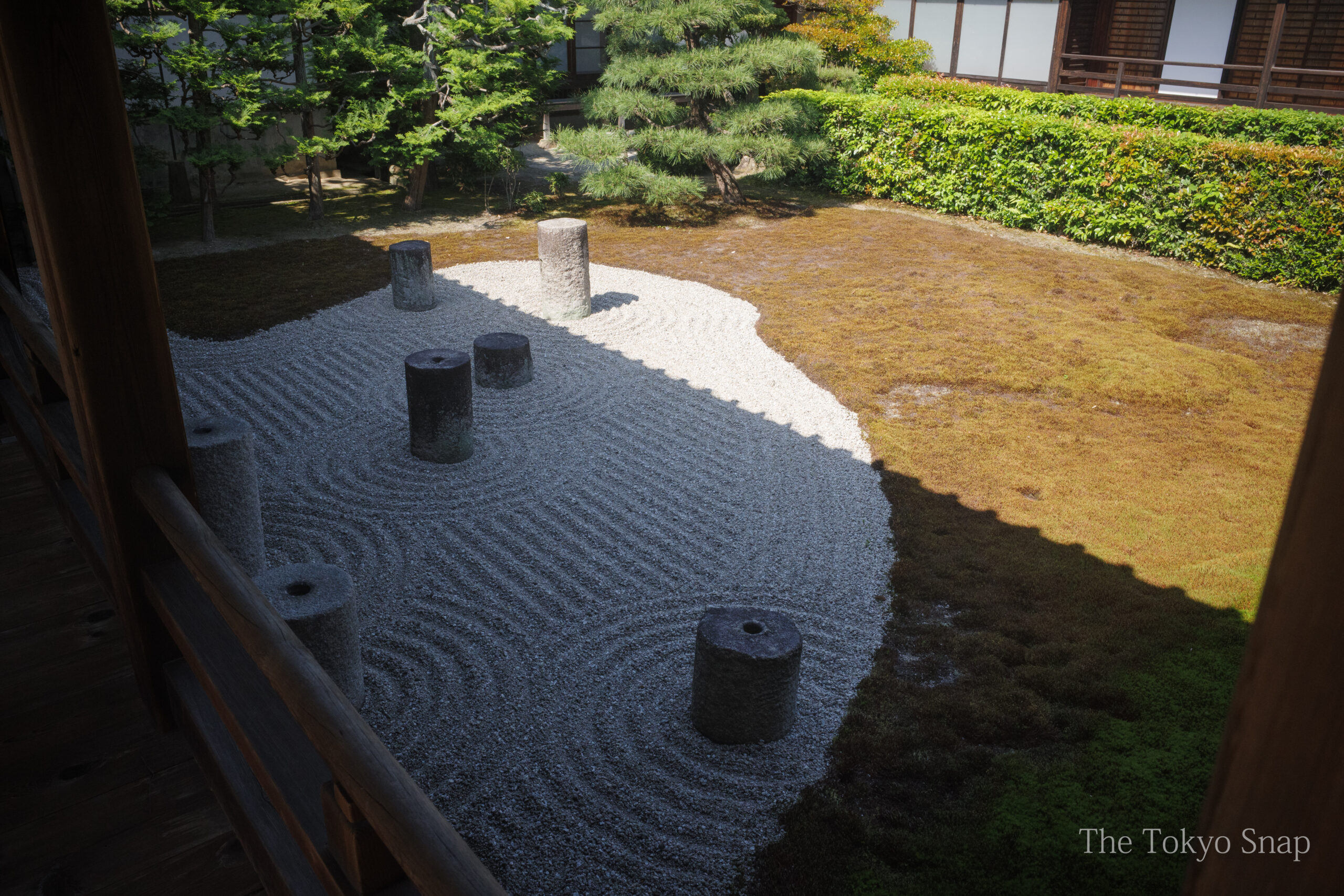
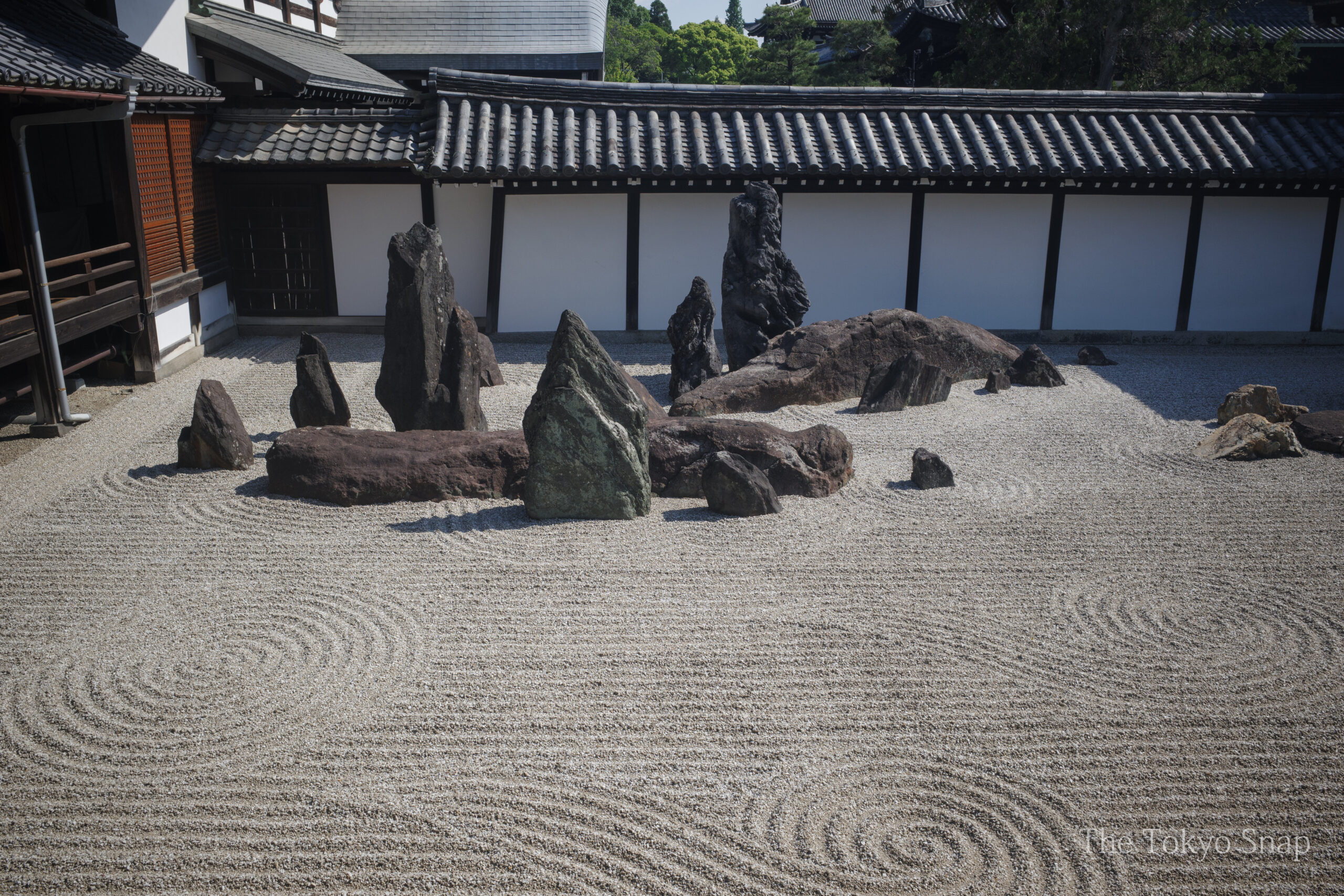
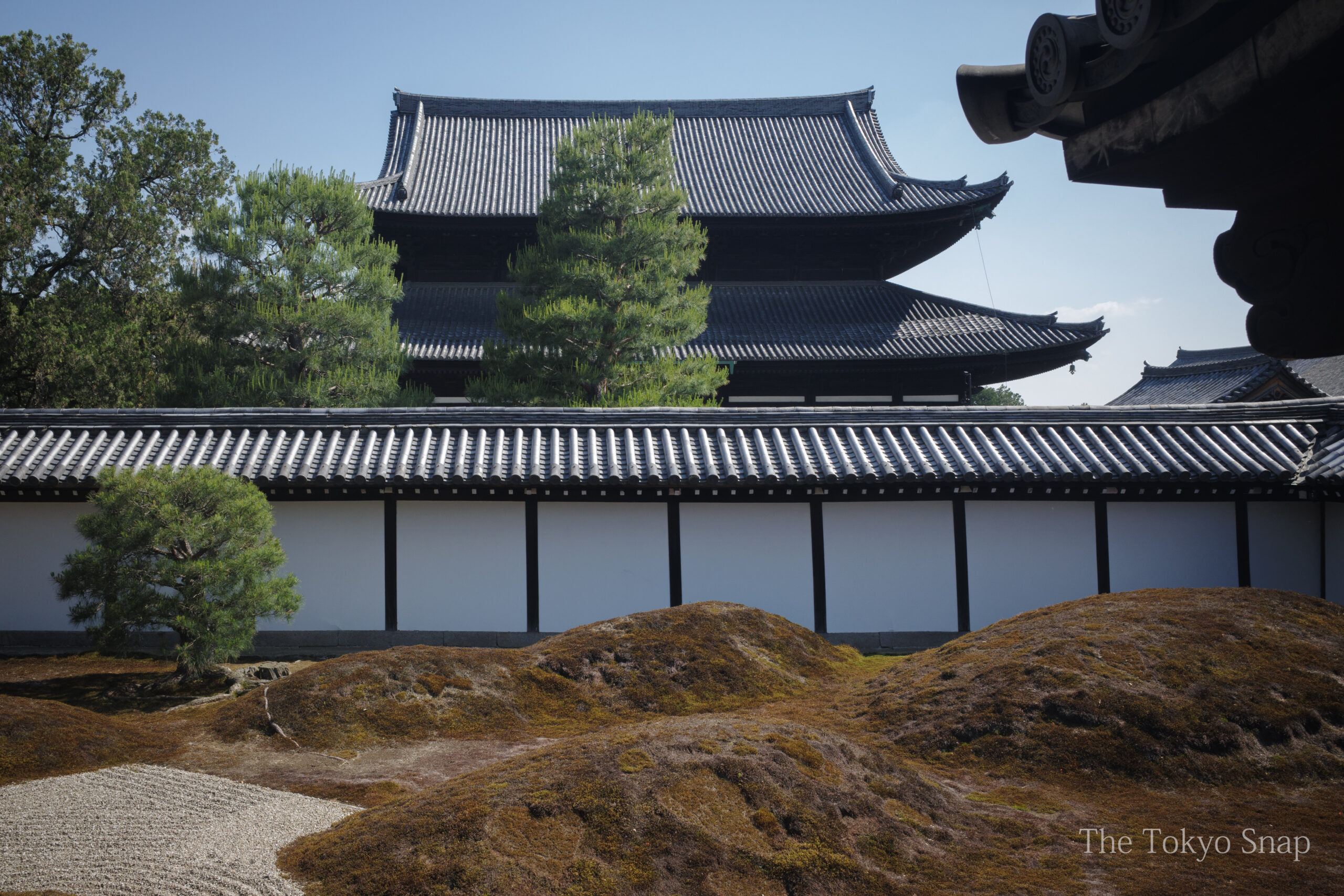
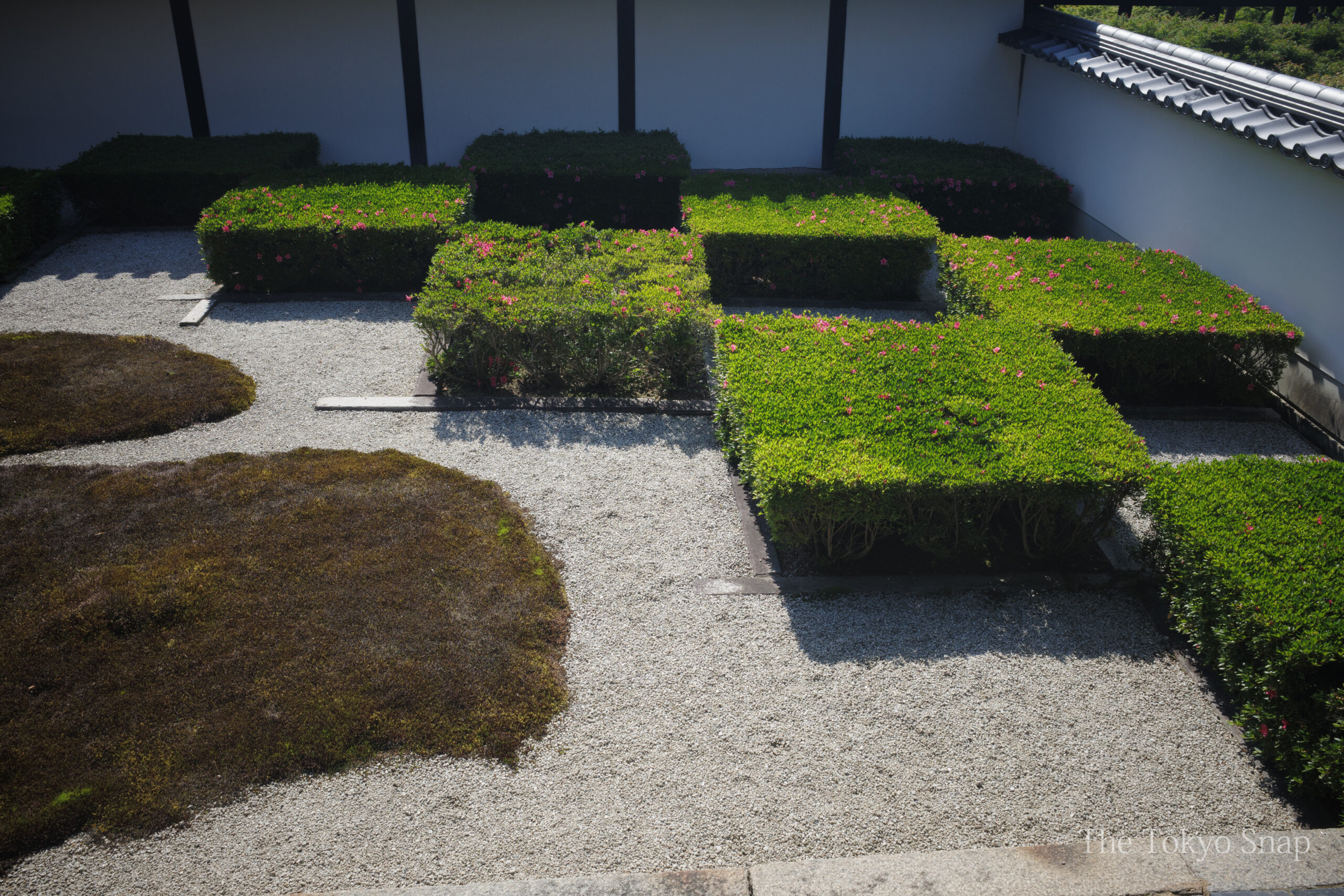
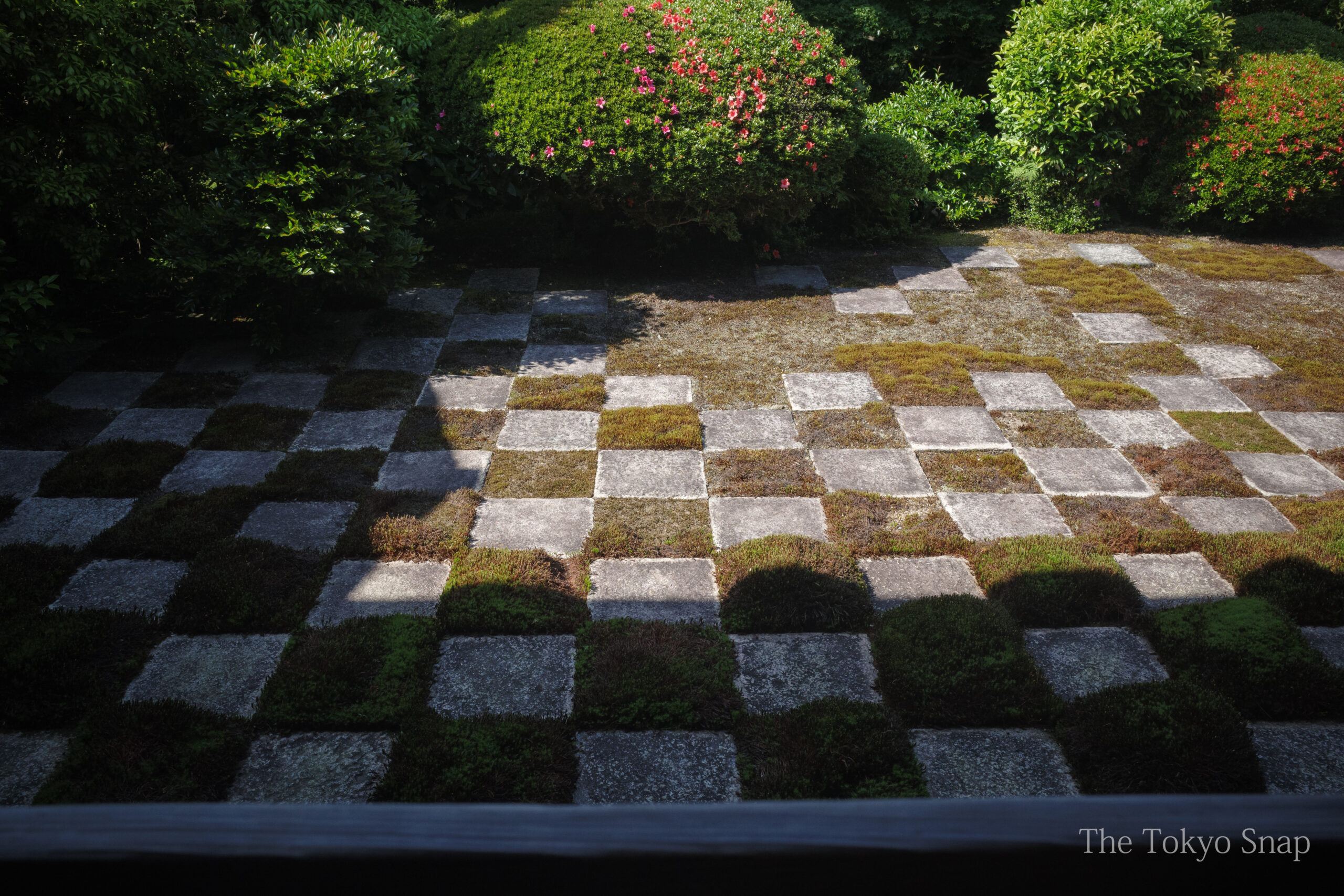
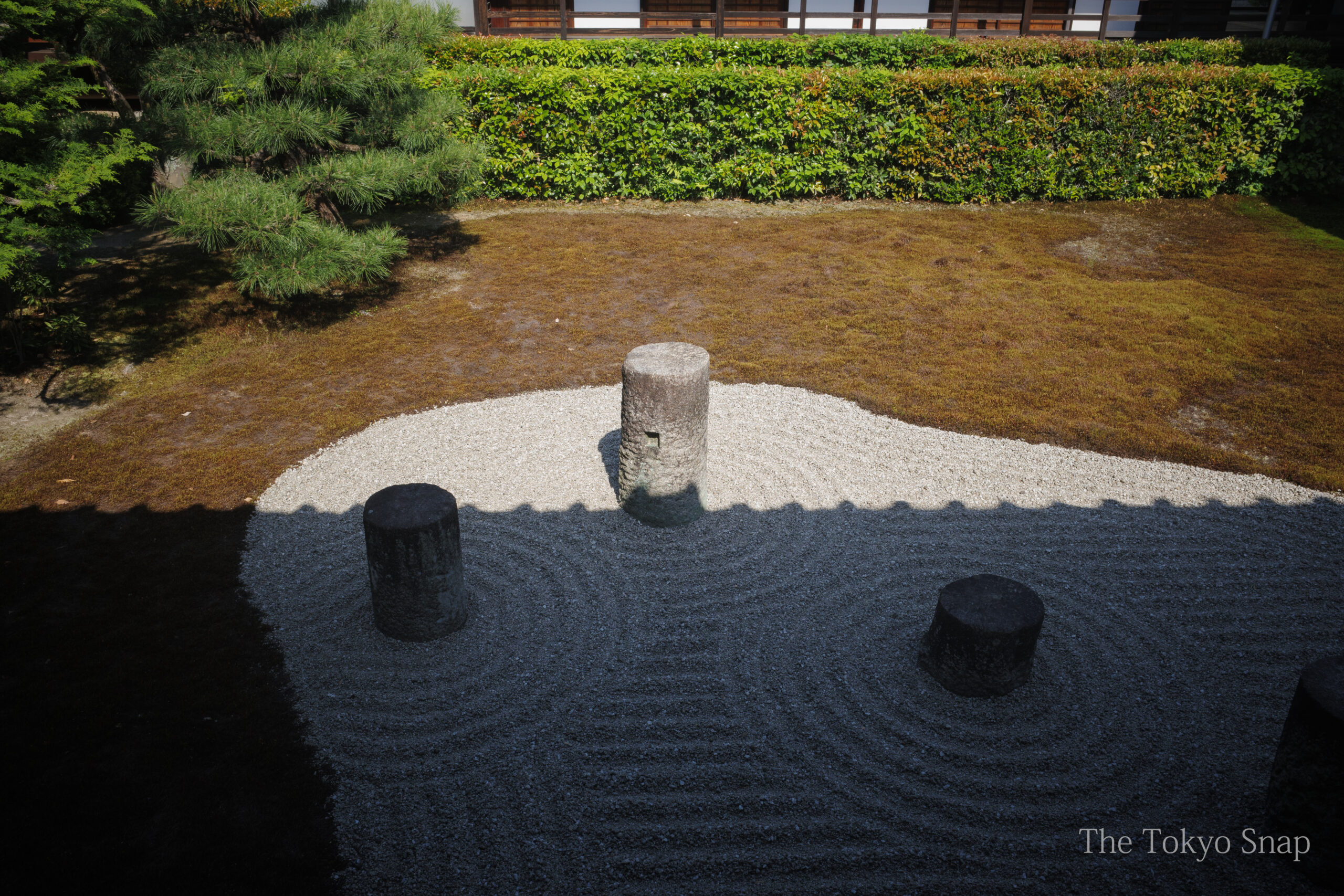
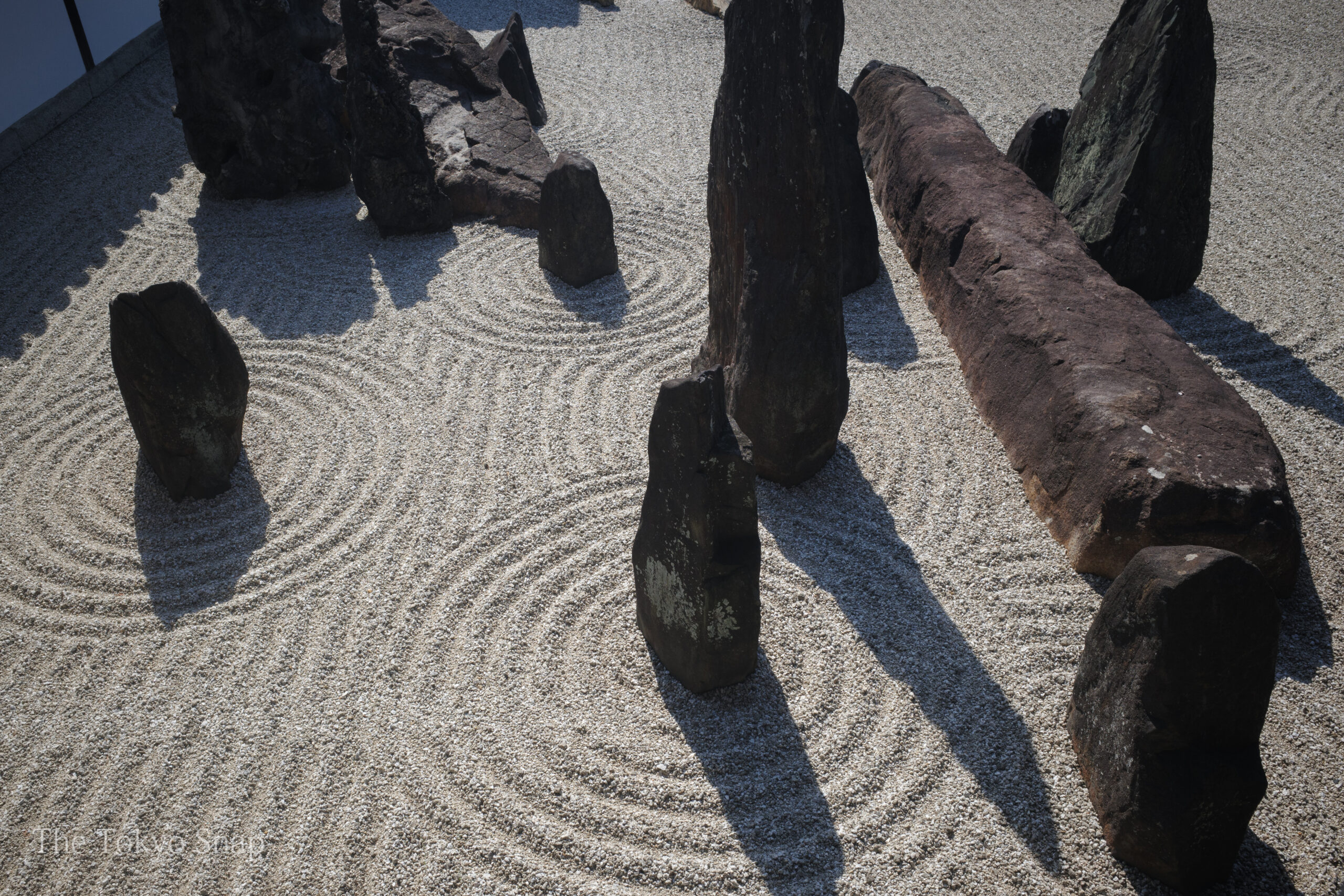
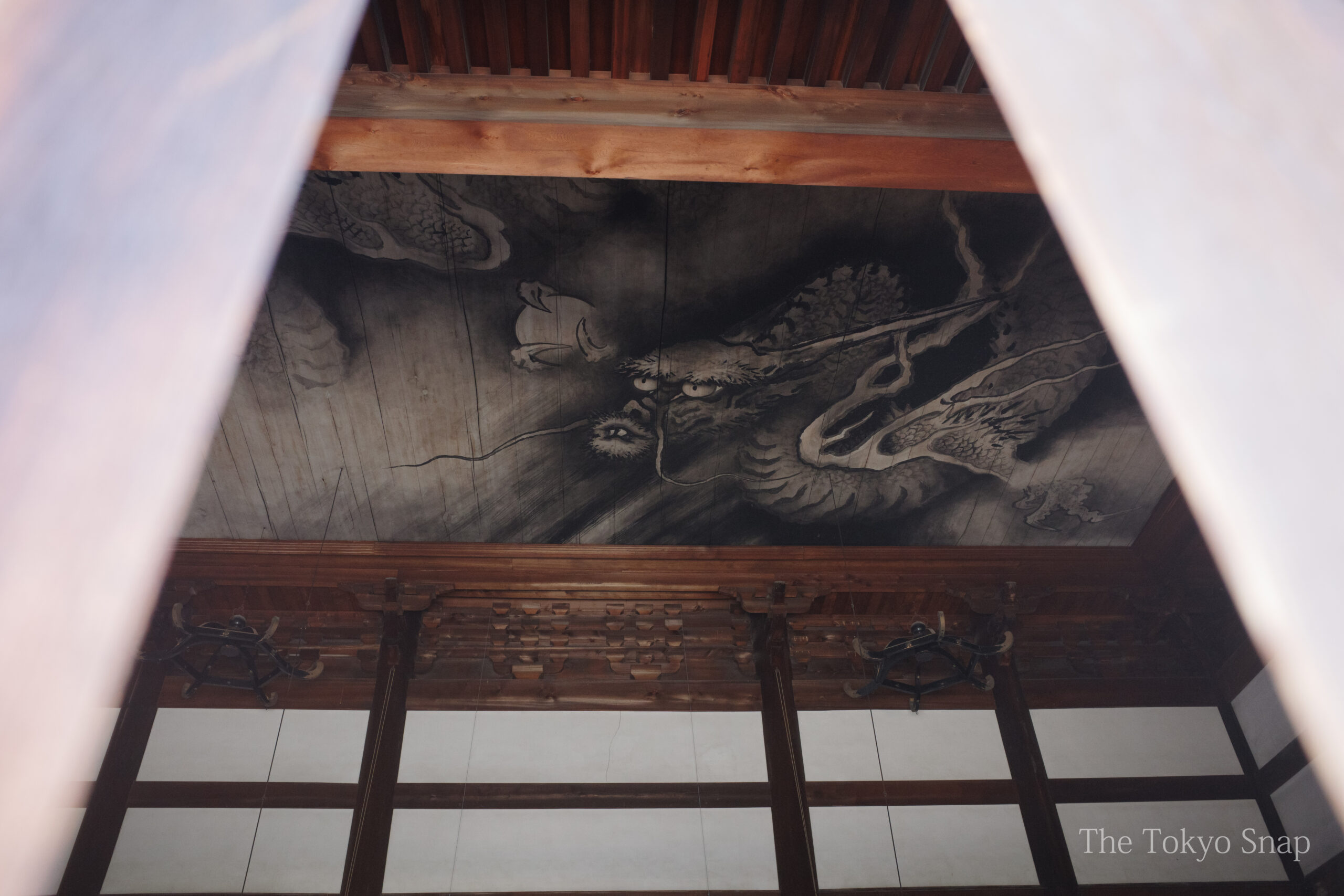
At Tofukuji, I revisited the Hojo Garden by Mirei Shigemori. Its structure, with gardens arranged around all four sides of the hojo, is distinctive, and the combination of stones, moss, sand, and paving stones also gives a sense of modernity within an old temple.
I walked through the spacious grounds, sat in front of the garden, and spent some time looking at it quietly. (GR IV Image Control: Standard)
東福寺では、重森三玲による本坊庭園を再訪した。方丈の四方に庭を巡らせた構成は独特で、石、苔、砂、敷石の組み合わせに、古い寺院の中にある近代的な感覚も感じられる。
広い境内を歩き、庭園の前に座って、しばらくゆっくりと庭を眺めた。(GR IV イメージコントロール:スタンダード)
Kyoto National Museum
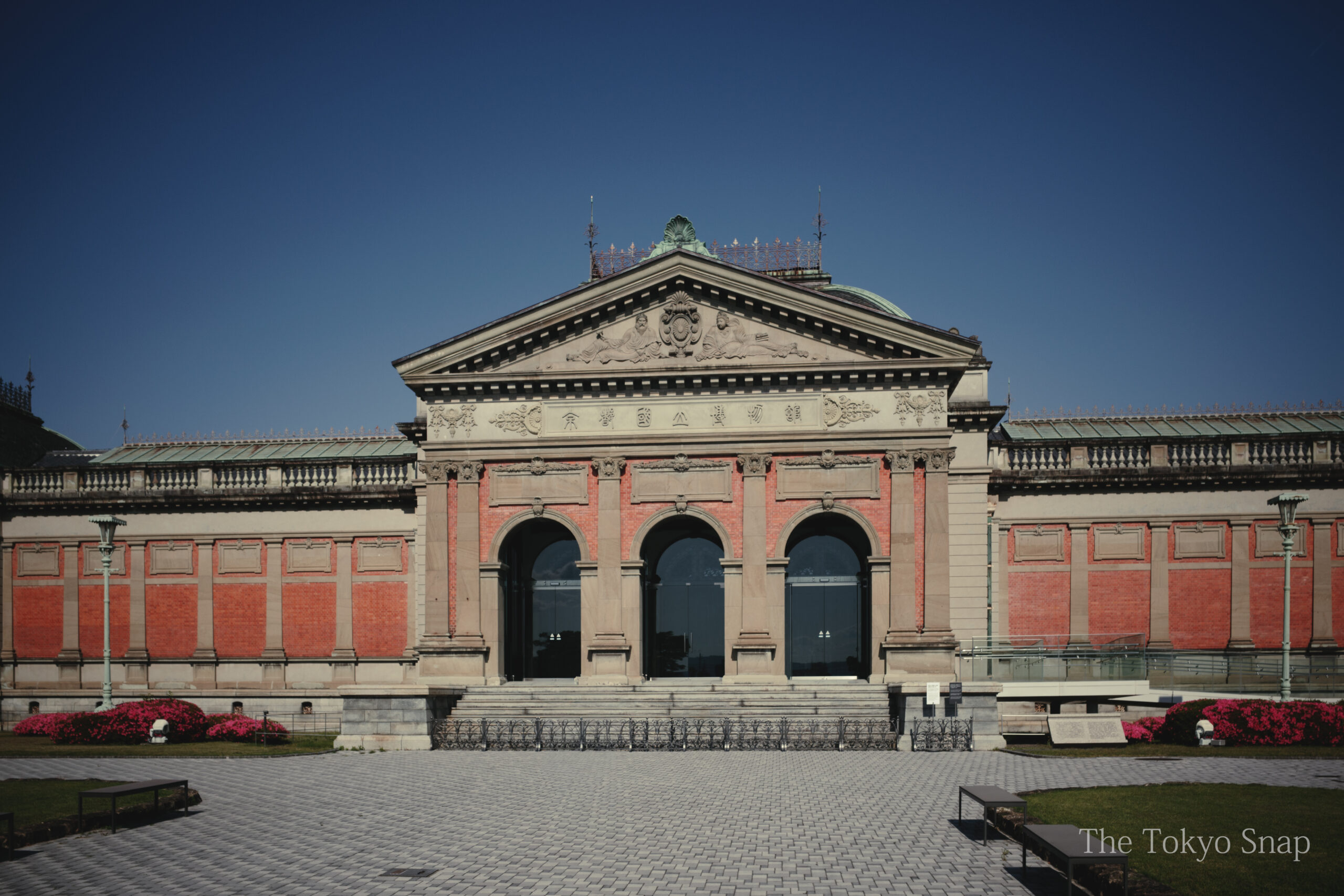
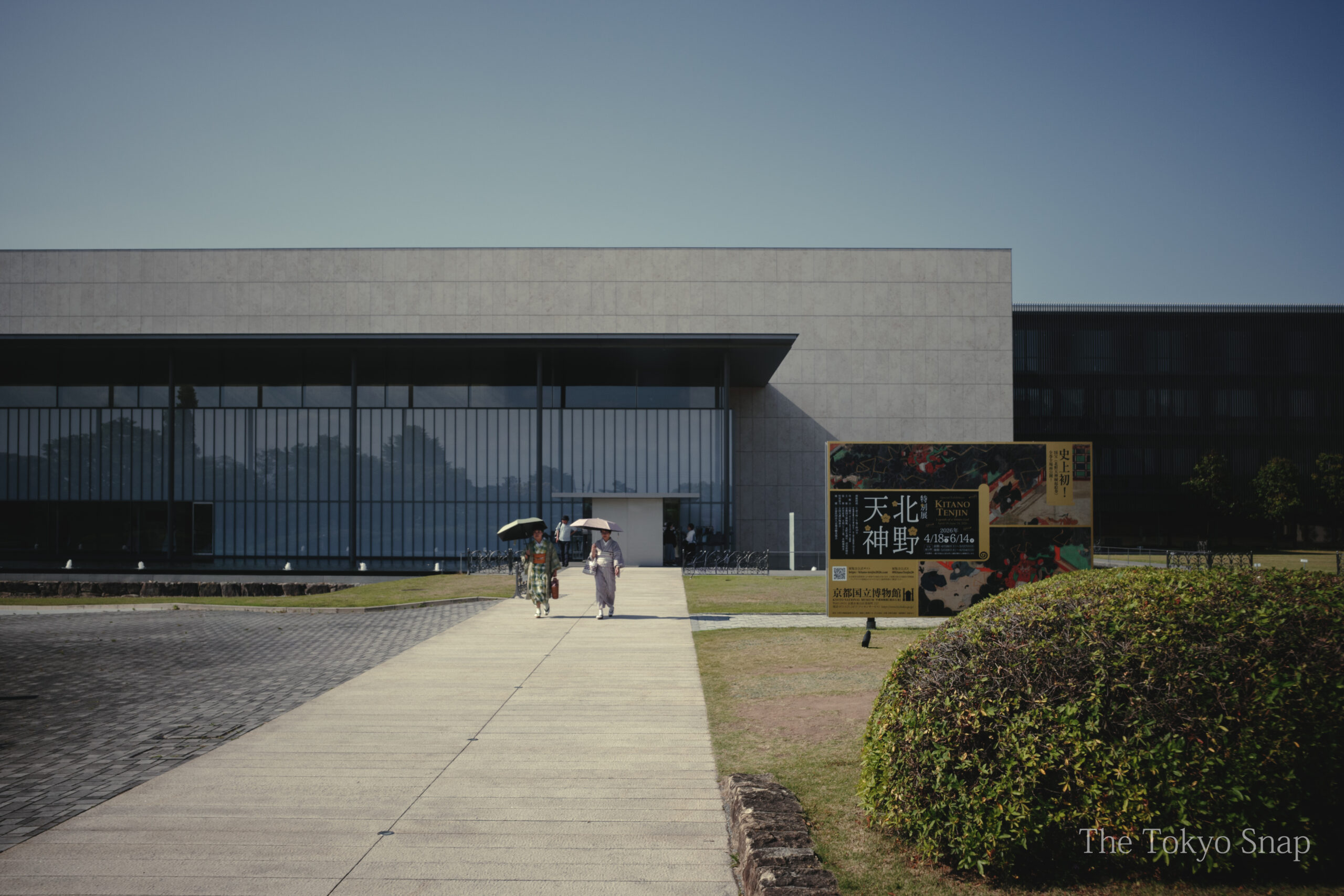
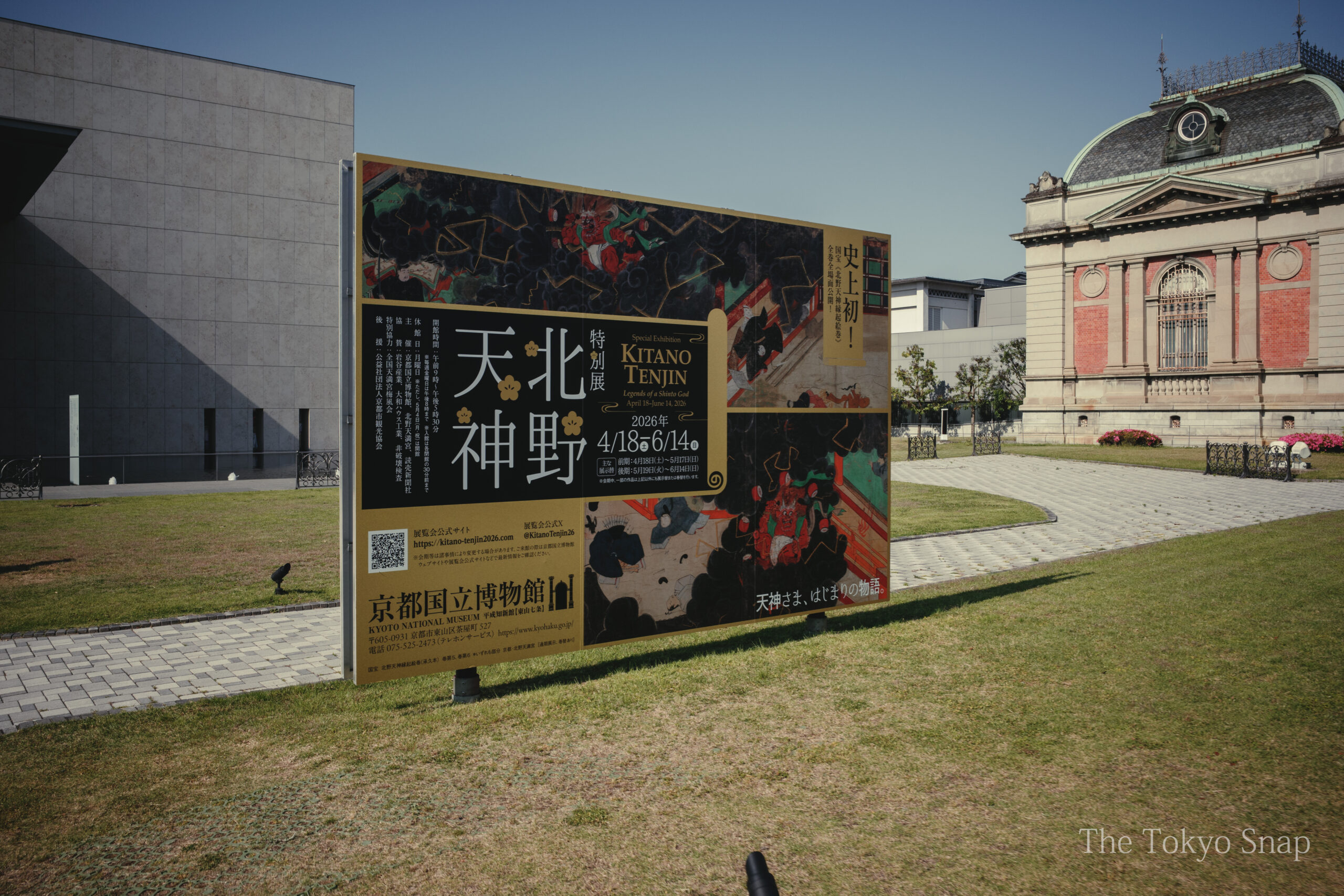
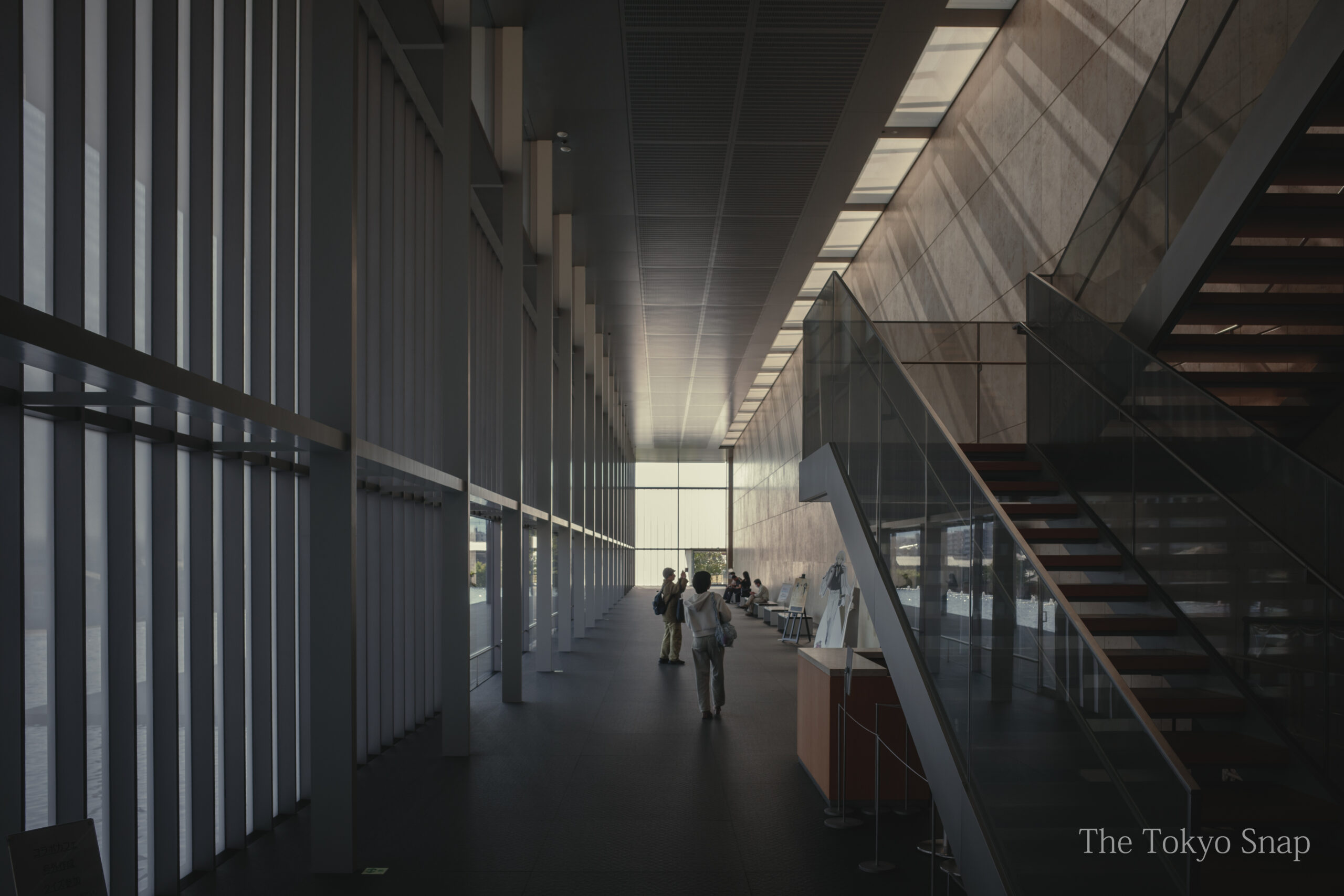
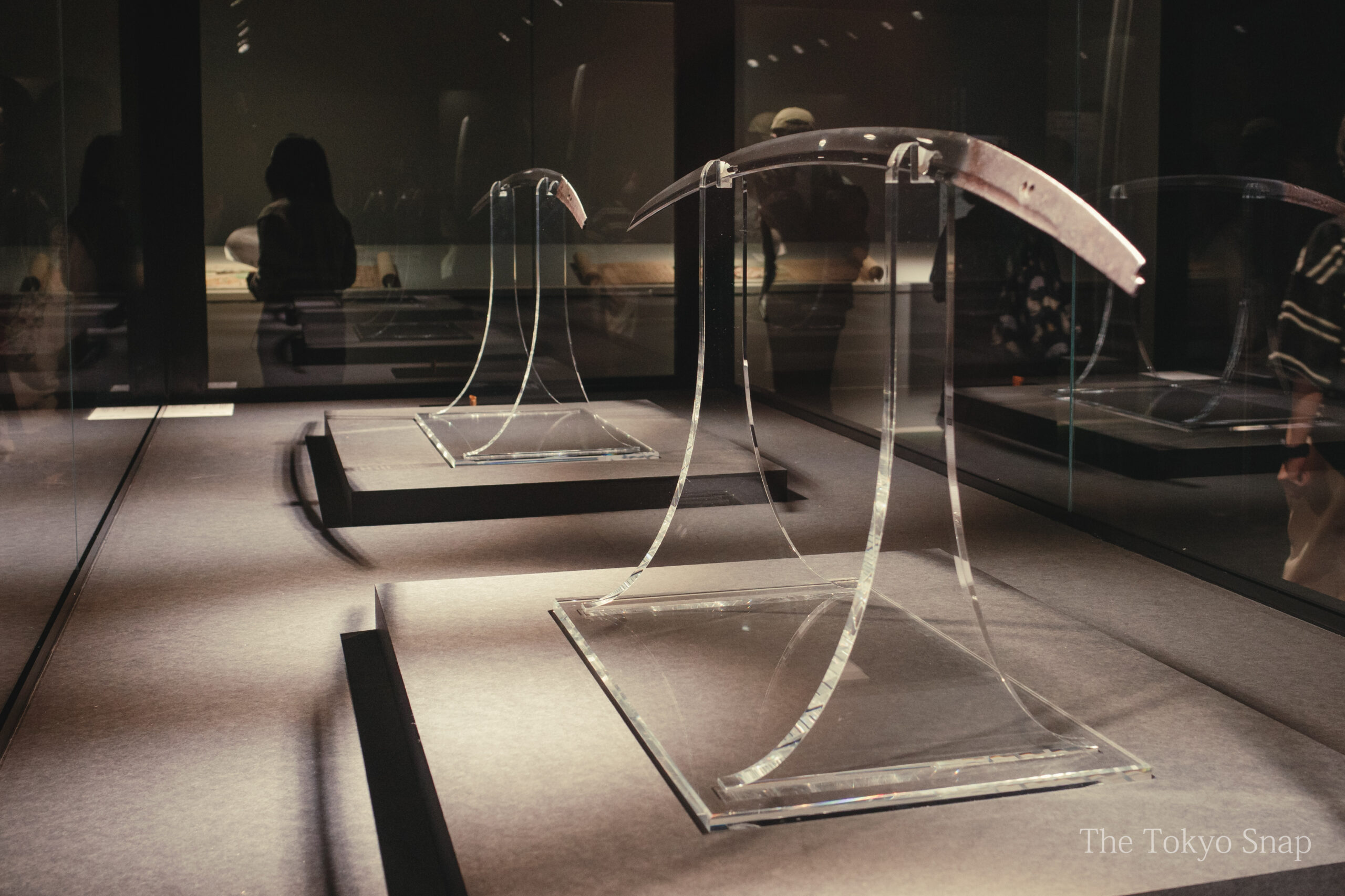
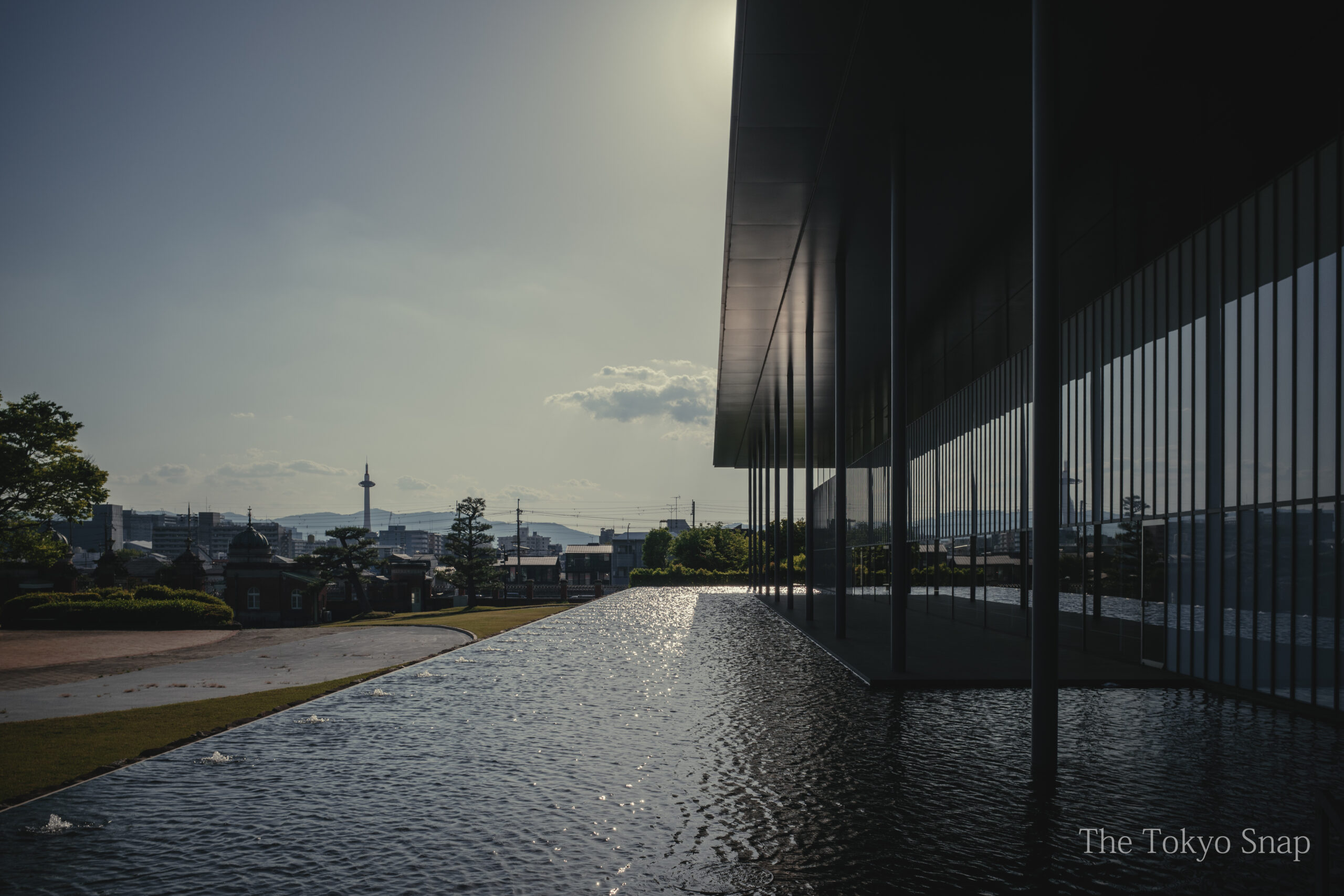
At the Kyoto National Museum, I saw the special exhibition “Kitano Tenjin” at the Heisei Chishinkan wing. Precious picture scrolls were also on display, and it was exactly the kind of exhibition I had wanted to see. Learning again about the history of Kitano Tenjin reminded me of the depth of Japanese history. (GR IV Image Control: Cinema Yellow)
京都国立博物館では、平成知新館で開催されていた特別展「北野天神」を見た。貴重な絵巻物も公開されていて、ちょうど見たかった展覧会だった。北野天神の歴史をあらためて学ぶことで、日本の歴史の奥深さを再確認できた。(GR IV イメージコントロール:シネマ調イエロー)
Kyoto Station
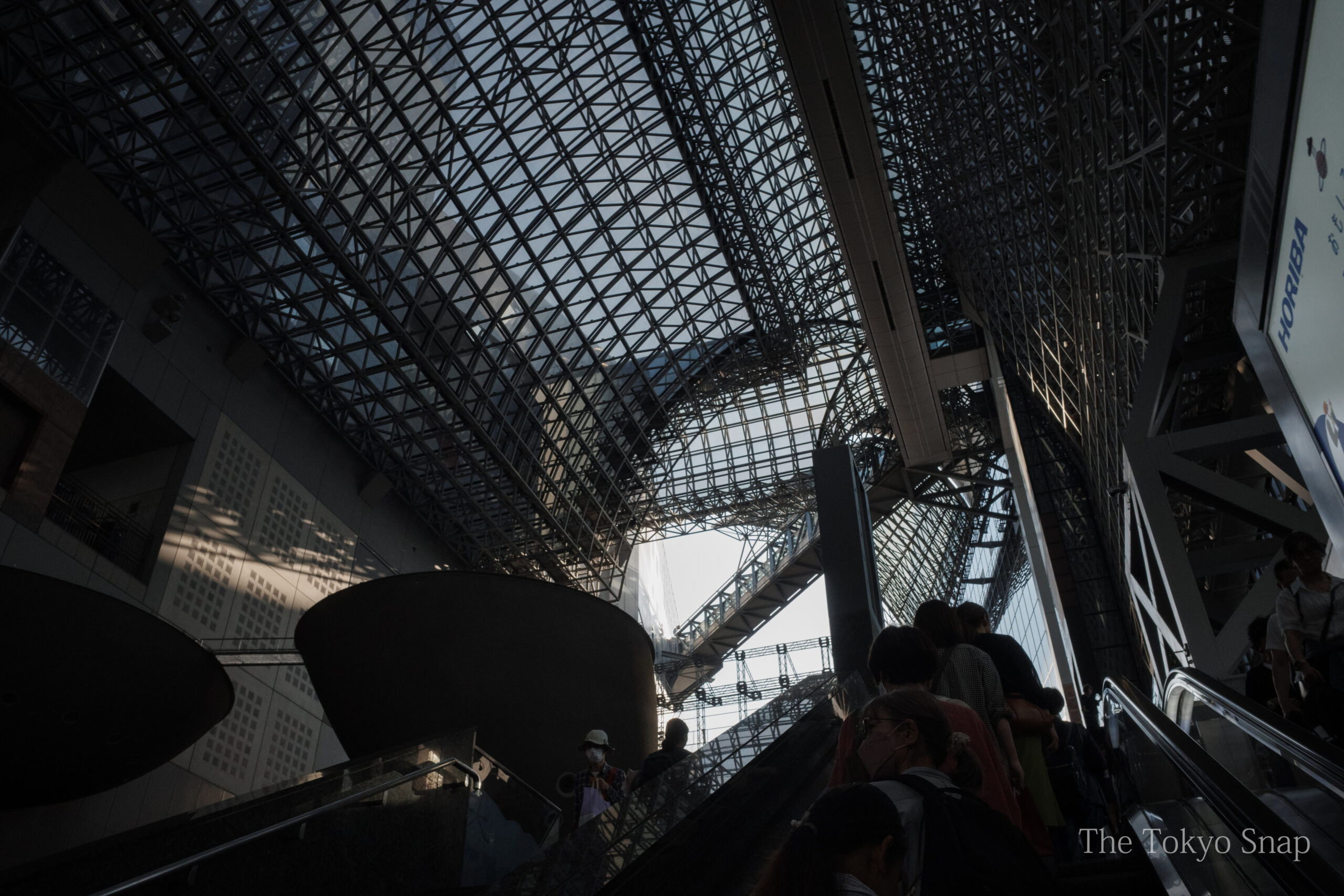
At the end of the trip, I photographed Kyoto Station again before heading home. Returning to the station building designed by Hiroshi Hara, which I had also seen on the first day, I walked through it while looking back on the three days I had spent in Kyoto.
The vast atrium, layered circulation, and lines of the escalators became a different kind of ending from the temples and exhibition spaces I had visited earlier. (GR IV Image Control: Negative Film)
旅の最後に、帰宅前の京都駅をあらためて撮影した。初日にも見た原広司設計の駅ビルに戻り、3日間の京都滞在を振り返りながら歩いた。
巨大なアトリウム、重なり合う動線、エスカレーターの線が、それまでに巡った寺院や展示会場とは異なる締めくくりになった。(GR IV イメージコントロール:ネガフィルム調)

More detailed stories are available on my note page.
Articles are written in Japanese.
→ Read on note
Recommended Accessories for the Ricoh GR IV
These are the accessories I bought for my Ricoh GR IV and found useful for daily shooting and travel. Many also work with other Ricoh GR models.
Packing List for Travel and Business Trips
A checklist to help you avoid forgetting essentials before a trip. Review everything from passports and work items to gadgets and in-flight essentials.
Currently available in Japanese.
Location: Kyoto
This map shows the approximate area where the photos were taken.
All photos in this article were taken with a RICOH GR IV and edited in Lightroom.
See the RICOH GR IV accessories I actually use .
All images are protected by copyright. Please contact me for usage requests.